

Hops
Eighteen hop varieties in pellet form, from Australian Galaxy and Vic Secret to Czech Saaz and English Goldings. Bittering, aroma and dual purpose, for every style worth brewing.
Filters
22 products






Buying hops in Australia
Hops do three jobs in a beer, and when you add them decides which one you get. Early in the boil they give bitterness. Late in the boil they give flavour. After the boil, or dry into the fermenter, they give aroma. The same hop can do all three, which is why variety choice matters less than most brewers think and timing matters more. Our guide to brewing beer at home covers where those additions sit in a brew day.
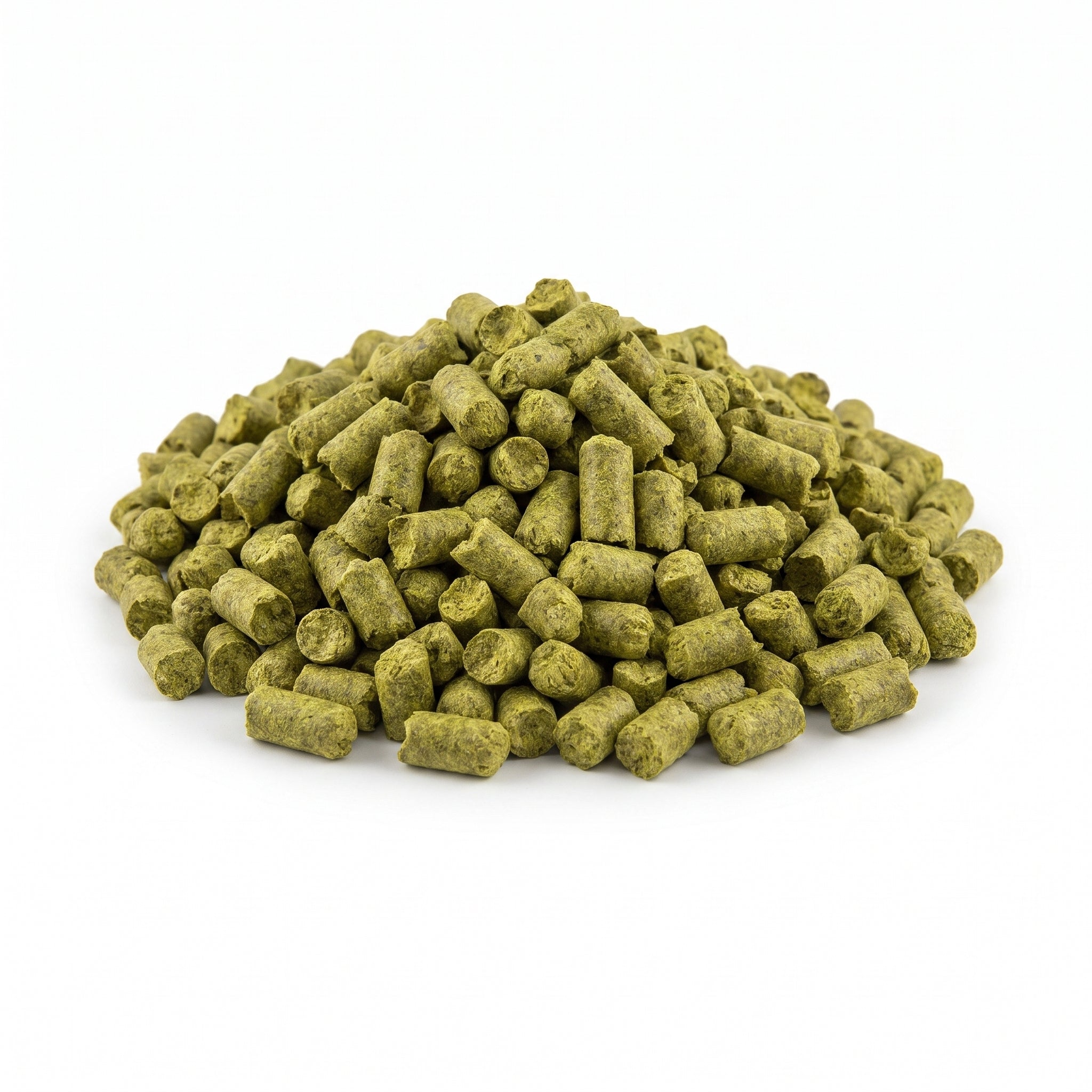
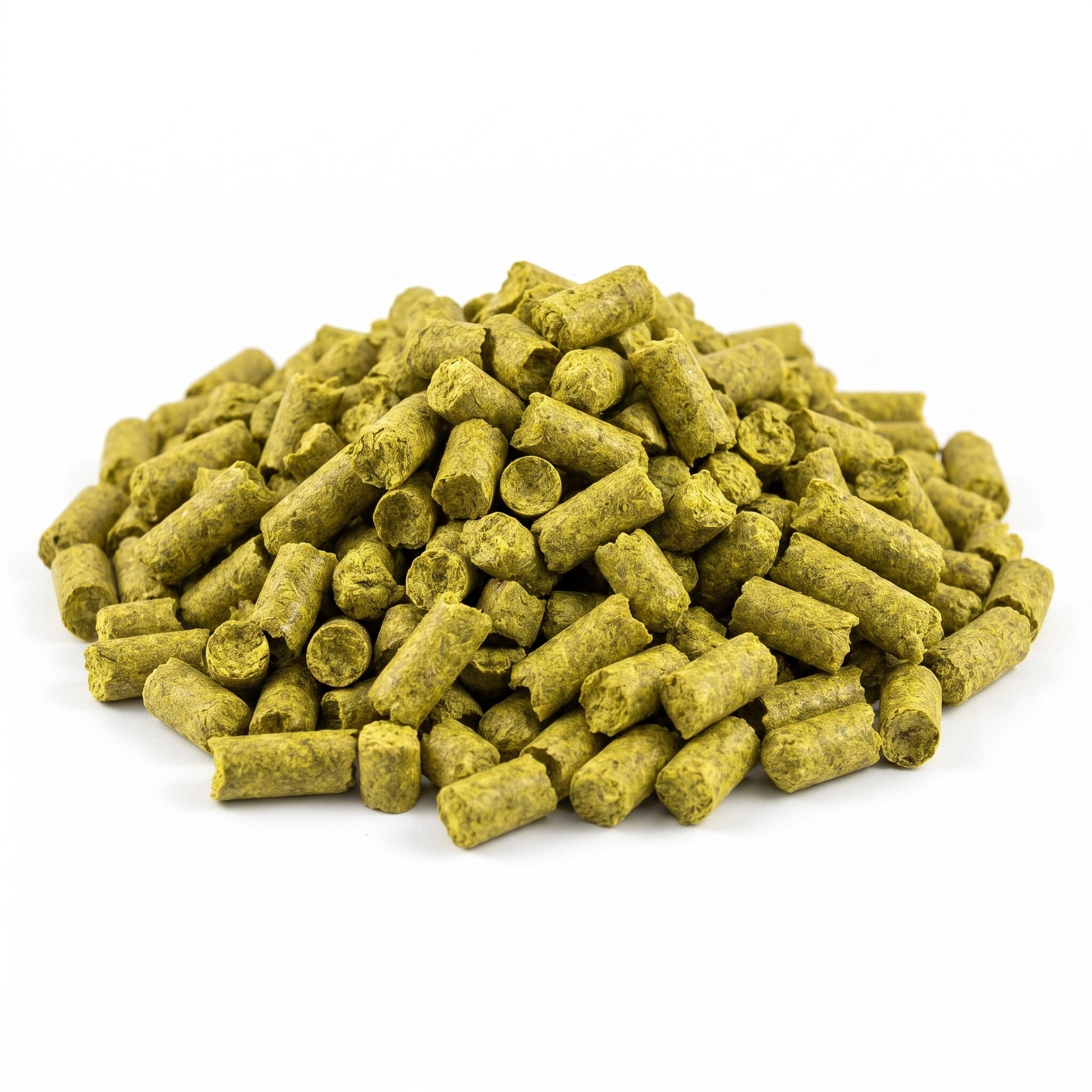
Everything here is pellets rather than flowers. Pellets keep better, take less space in the freezer and give more consistent utilisation than whole cones.
Australian and New Zealand hops
- Galaxy. The one that put Australian hops on the map. Intense passionfruit and peach. The backbone of most Australian pale ales and hazies, and the hop most people reach for when they want to make a hazy at home.
- Vic Secret. Pine and tropical fruit, cleaner and more resinous than Galaxy. Works well alongside it rather than instead of it.
- Eclipse. Australian, with a distinctive mandarin character.
- Pride of Ringwood / Super Pride. The traditional Australian bittering hop, behind most of the classic Australian lagers.
- Nelson Sauvin. New Zealand, and unmistakable. White wine and gooseberry. Use it with restraint the first time.
- Motueka. New Zealand, with a spicy noble character. Good in pilsners and saisons, and the closest thing to a Nelson Sauvin substitute when used with a light hand.
American hops
- Citra. Grapefruit, lime and lychee. The most in-demand aroma hop in the world for good reason.
- Mosaic. Blueberry, mango and pine. Excellent dry hopped, complex enough to carry a beer on its own.
- Cascade. The original American craft hop. Grapefruit and floral, the signature of the American pale ale.
- Amarillo. Orange and stone fruit, softer than Cascade.
- Centennial. Sometimes called super Cascade. Cleaner citrus, works as bittering or aroma.
- Willamette. Mild, earthy and floral. An American take on English character, good in browns and porters.
English and European hops
- Goldings. Gentle, honeyed and floral. The classic English ale hop for bitters and milds.
- Fuggles. Earthy, woody and grassy. Pairs with Goldings in traditional English recipes.
- Saaz. The noble Czech hop. Soft, spicy and herbal, and the reason a Bohemian pilsner tastes the way it does.
- Hallertau. German noble hop, mild and slightly floral. Lagers, wheat beers and Kolsch.
- Hersbrucker. German, herbal and delicate, at home in Munich lagers and wheats.
- Magnum. German high alpha bittering hop. Clean bitterness with almost no flavour of its own, which is exactly what you want early in a boil.
Storing hops
Hops go stale through heat and oxygen, not time alone. Vacuum-sealed pellets kept in the freezer hold their character for two to three years. Keep opened and unopened bags alike in the freezer. Left in a warm cupboard an opened bag loses aroma within months. Buy what you will use, freeze the rest, and squeeze the air out.
One last thing worth saying on a hops page: the hop bill is only half of it. Yeast drives as much of the finished flavour as the hops do, and our guide to brewing yeasts is the place to start on matching a strain to the beer you are building.
All varieties ship Australia-wide from our Melbourne store. We have been selling hops to Australian brewers since 1968, so if you are trying to work out a substitution or build a hop bill from scratch, ask.
Buying from us
Quick answers
Shipping and orders apply to everything in this collection. See the FAQ page for more topics.
Monday to Friday, 9-4pm AEST.We normally get back to you within a day—often sooner.
How much hops do I need for a 23 litre batch?
It depends far more on the style than the batch size. A balanced pale ale might use 60 to 100 grams across a 20 litre batch, while a hop-forward IPA can use 200 to 400 grams or more once you count dry hops. For dry hopping specifically, 2 to 5 grams per litre is a useful starting range. A traditional lager or bitter sits well below all of these.
What is the difference between bittering and aroma hops?
It is mostly about when you add them rather than the hop itself. Hops added early in the boil give bitterness and lose their aroma. Hops added late, at flameout, or dry into the fermenter keep their aromatic oils. High alpha varieties such as Magnum are efficient for bittering, and delicate varieties such as Citra or Saaz are wasted there, but most hops can do either job.
Which hops should I use for an Australian pale ale?
Galaxy is the defining Australian pale ale hop, giving intense passionfruit and peach. Vic Secret works well alongside it, adding pine and resin without competing. For a more traditional Australian lager character, Pride of Ringwood is the classic choice.
Do hop pellets need to be kept in the fridge or freezer?
The freezer, sealed. Hops degrade through heat and oxygen rather than age alone. Vacuum-sealed pellets stored in the freezer hold their character for two to three years. Keep both opened and unopened hops cold. Left open in a warm cupboard they lose aroma within months.
Can I substitute one hop variety for another?
Yes, but match the character first, because that is what you will taste. Citra, Mosaic and Centennial sit in the same tropical citrus group. Saaz, Hallertau and Cascade cover the softer, more restrained end. Goldings and Fuggles are the English earthy pair. Nelson Sauvin is the hard one to replace, though Motueka used lightly gets you closer. Adjust the weight if the alpha acid differs, since Galaxy runs around 13 percent and Saaz around 3.
How long will my order take to arrive?
Metro: usually a few business days. Regional: often a bit longer. You get tracking when it leaves the warehouse.
What is your returns policy?
If something isn't right, tell us. We'll sort returns or replacements under Australian Consumer Law and our written policy. No drama.
Monday to Friday, 9-4pm AEST.We normally get back to you within a day—often sooner.