

50+ Years in the industry
Brewing beer spirits before man landed on the moon.


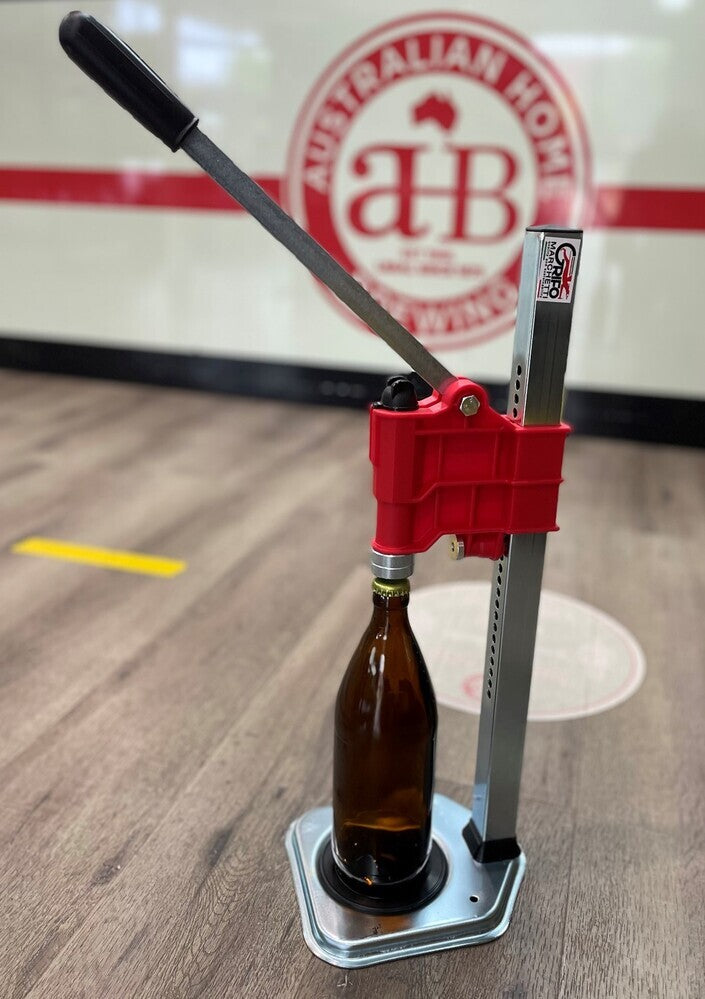
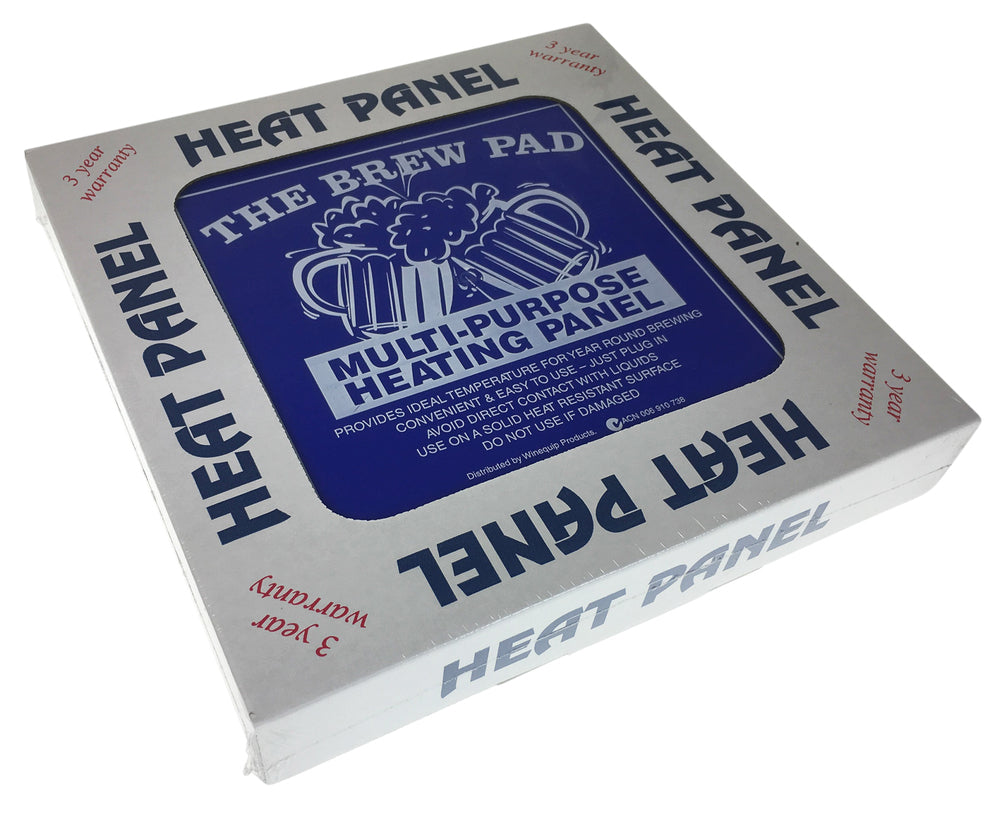
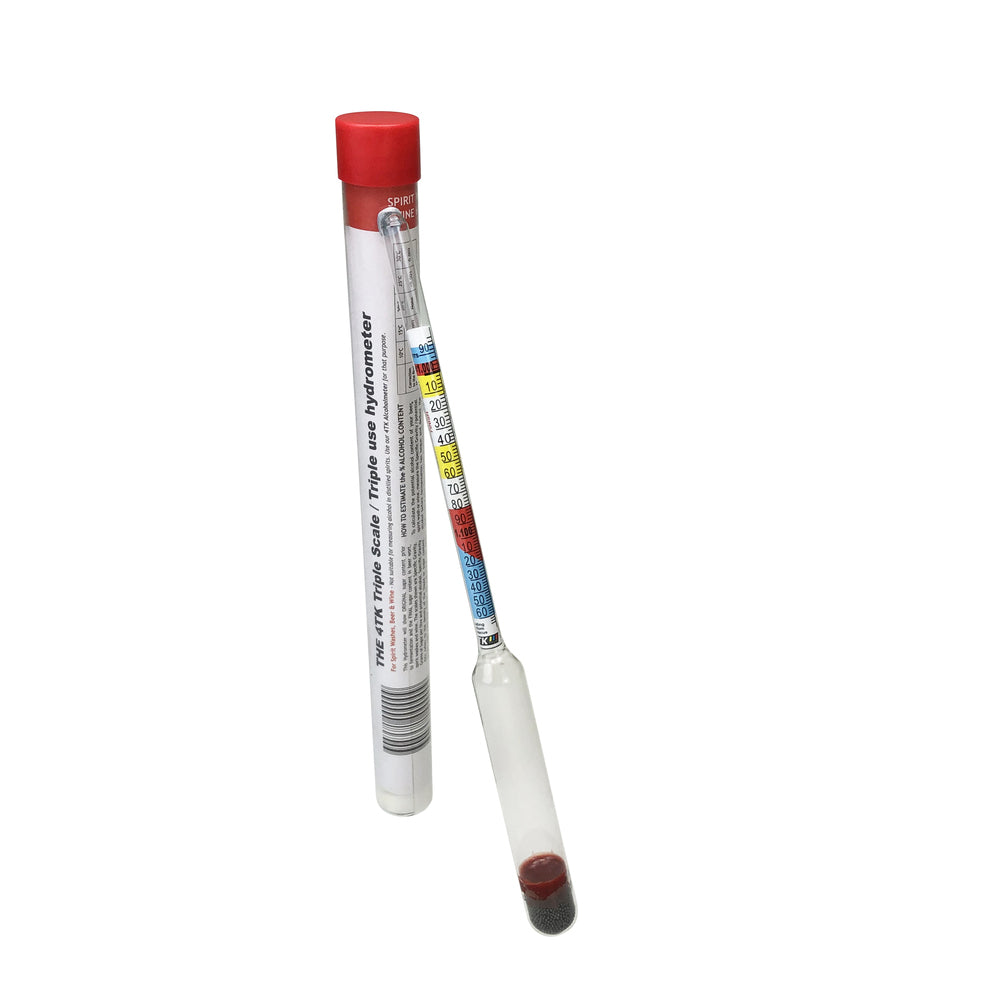
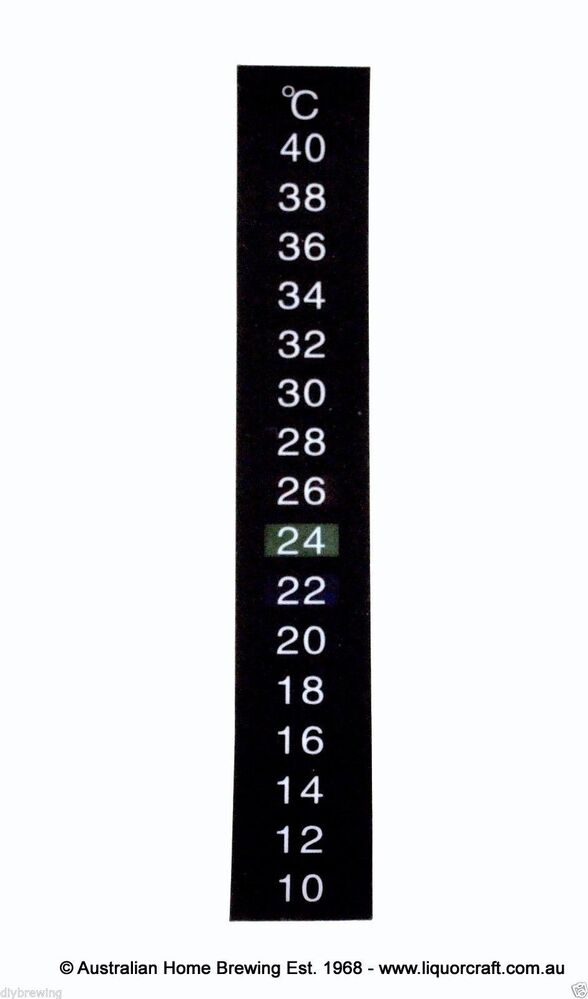
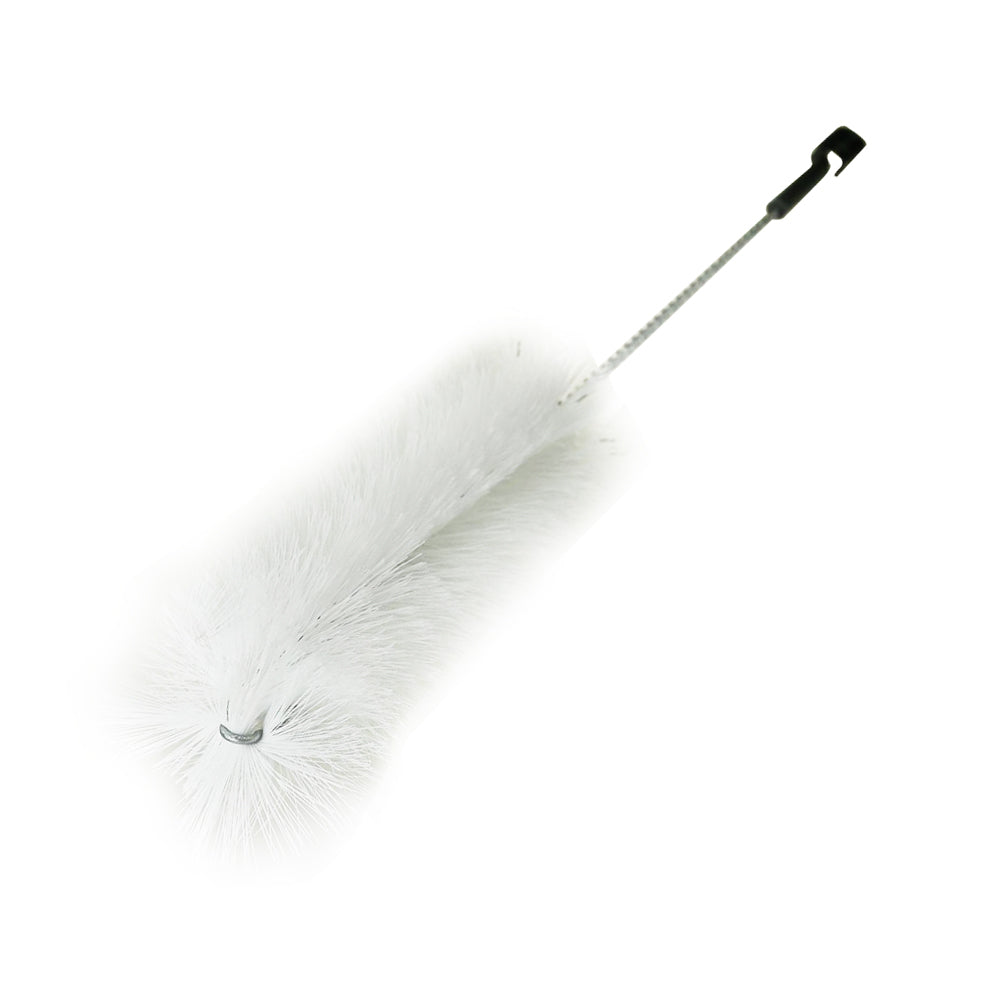
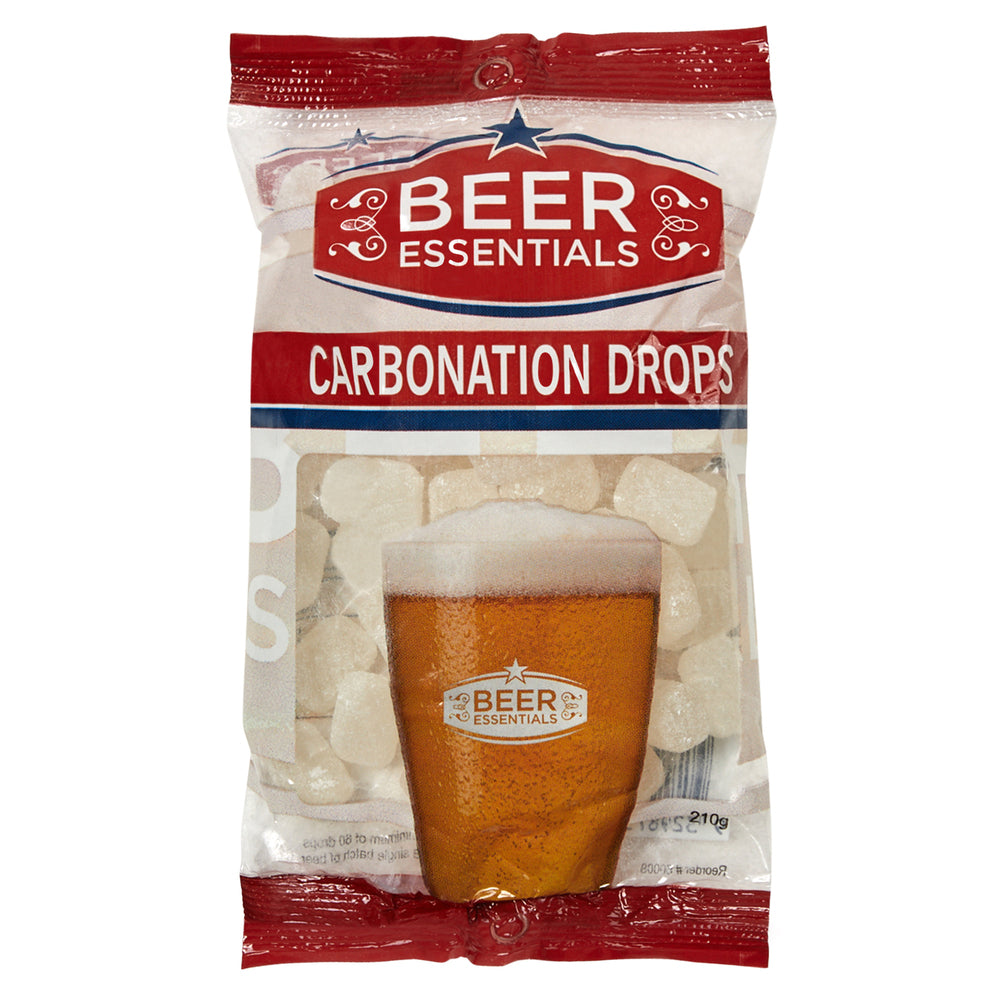
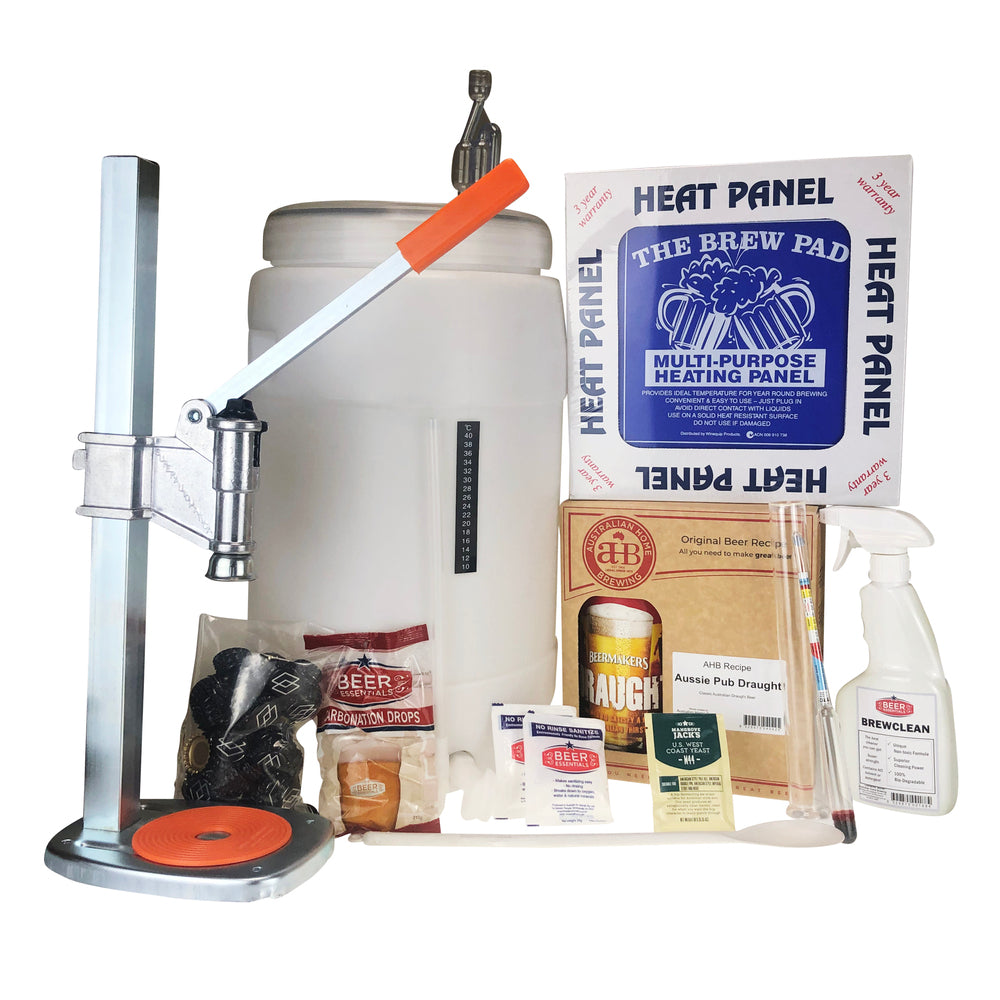

The AHB Super Deluxe Starter Kit adds two practical upgrades over the standard bench capper kit: an Italian-made lever-action bench capper for fast, consistent bottling, and a 25W heater pad to keep fermentation on track in cold weather.
Most orders dispatched within 1-2 business day from Melbourne. shipping calculated at checkout. View shipping information
The AHB Super Deluxe Starter Kit is the Deluxe kit, Italian-made lever-action bench capper included, plus a 25W heater pad to keep fermentation on track in cold weather. If you are brewing in winter or in a cooler part of Australia, this is the kit that removes the most common beginner headaches.
What's In The Kit
Kit Specifications
| Kit type | Home brewing starter kit, extract method |
| Skill level | Beginner (no prior experience required) |
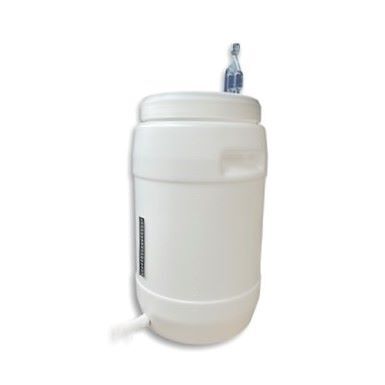
| Fermenter | 30L food-grade plastic, screw-top |
| Batch volume | 20–21 litres depending on recipe |
| Yield | ~55 × 375mL stubbies or ~28 × 750mL long necks |
| Beer styles | Australian draught, pale ale, Pacific ale, amber ale, stout, porter, Belgian strong ale (7 recipe options) |
| ABV range | 4.4–6% depending on recipe |
| Time to first beer | First taste from 2 to 3 weeks, best from 4 weeks |
| Bottles | Sold separately, standard glass crown-seal |
| Shipping | Australia-wide |
| Capper | Italian-made lever-action bench capper, adjustable height |
| Heater | 25W heater pad, under-fermenter style |
Choose Your First Recipe
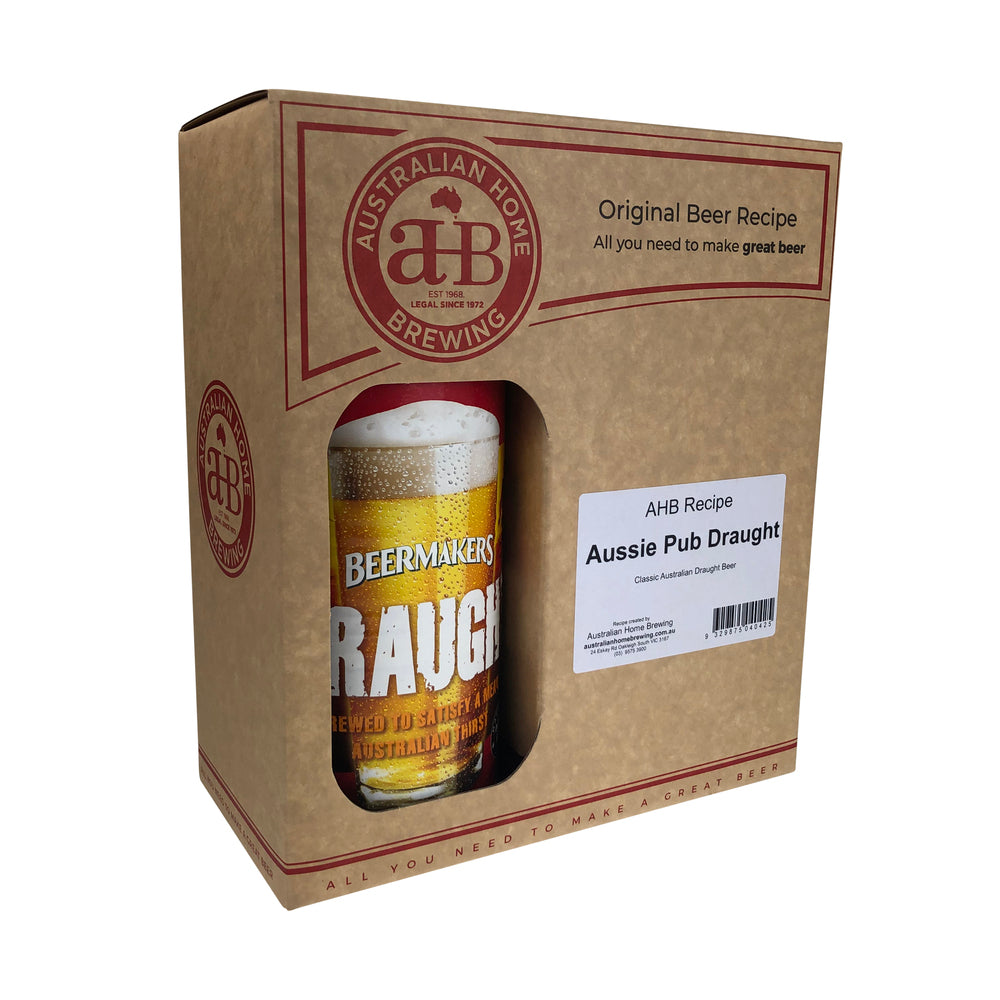
Every kit ships with a full recipe kit of your choice. Pick the beer you actually like drinking, that is the best predictor of a first batch you will finish and want to rebrew. Aussie Pub Draught is included in the price shown; the other six add $15 to $22. Each of those sells separately as a $69.90 to $79.90 recipe kit, so upgrading here is the cheap way to start on a bigger beer.
Who Is This Kit For
Recommended for brewers in Victoria, Tasmania, the ACT or anywhere that gets cold winters, or for anyone who wants to brew year-round without worrying about fermentation temperature. The heater pad is not a temperature controller, but it maintains enough warmth to keep most ale yeasts active through cold nights.
Reviewed by the AHB Brewing Team, July 2026.
Buying from us
Questions about this product, shipping and orders. See the FAQ page for more topics.
Not in summer, but in winter it makes a real difference. In Victoria, Tasmania and parts of NSW and SA, indoor temps regularly drop below 16 degrees C overnight - even in a heated home. Most ale yeasts slow significantly or stall below that point, which means a slow, incomplete fermentation and flat or off-tasting beer. The included 25W heater pad sits under the fermenter and gently raises the temperature to keep things moving.
No - it is a heat source, not a thermostat. It raises the temperature of the fermenter but does not regulate it automatically. In most Australian home conditions this is enough to get through winter. If you want precise temperature control, add a temperature controller and heat mat separately - but for most beginners, the heater pad does the job.
You can have a first taste in 2 to 3 weeks, and the beer is at its best from 4 weeks. Fermentation takes around 7 to 10 days depending on temperature, then the bottles need time to carbonate. Warm Australian summers can speed fermentation up; a cold Victorian or Tasmanian winter can slow it down if you are not managing temperature.
Each batch makes 20 to 21 litres, about 55 x 375mL stubbies or 28 x 750mL long necks. The exact amount depends on the recipe you choose.
Just bottles. Glass stubbies or long necks with crown-seal tops work best. Avoid screw-top or lightweight bottles, they will not hold a cap.
Use the hydrometer. Take a reading on two consecutive days - when it is stable and matches the target final gravity on your recipe, fermentation is done. Do not rely on airlock activity. In cooler conditions common in southern Australia through winter, airlocks often go quiet well before fermentation is actually complete. The hydrometer reading is the only reliable indicator.
It is the most important step in home brewing and the most common reason first batches go wrong. A good clean followed by a no-rinse sanitiser before every piece of equipment touches your beer is all it takes. The included sanitiser is no-rinse - you do not need to dilute or rinse it off, which keeps the process quick. Do not skip it.
Most extract kits ferment best between 18 degrees C and 22 degrees C. In Australia this is where conditions vary most: in Victoria, Tasmania and southern NSW through winter, indoor temps can drop below 16 degrees C even in a heated house - ale yeasts will slow significantly or stall below that point. In Queensland and WA in summer, the opposite problem applies - fermenting above 25 degrees C produces ester-heavy, fruity off-flavours. The sweet spot is 18-22 degrees C.
Yes - the fermenter and accessories work for every style. Swap the recipe kit and you can brew lagers, pale ales, stouts, IPAs, wheat beers and more. The main variable is yeast and fermentation temperature - lager yeasts need cooler conditions than ale yeasts, which is worth knowing before you pick your first recipe in summer.
Latest from Australian Home Brewing
How-tos, product notes, and distilling guides from the people who actually brew.
50+ Years in the industry