

50+ Years in the industry
Brewing beer spirits before man landed on the moon.

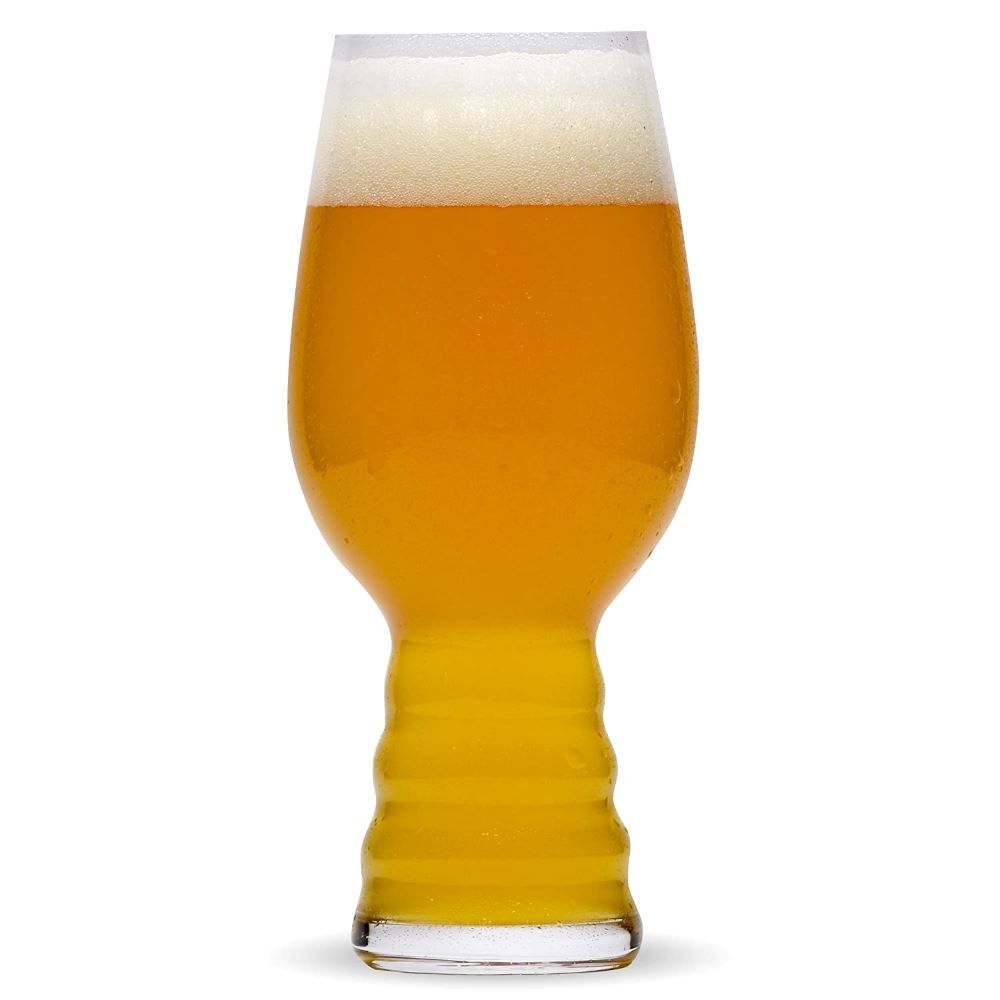

Fruju Hazy IPA uses two of Australia's most distinctive hop varieties in combination with a yeast built to amplify them. Ella contributes tropical passionfruit, pineapple, and a fresh spicy note.


Most orders dispatched within 1-2 business day from Melbourne. shipping calculated at checkout. View shipping information
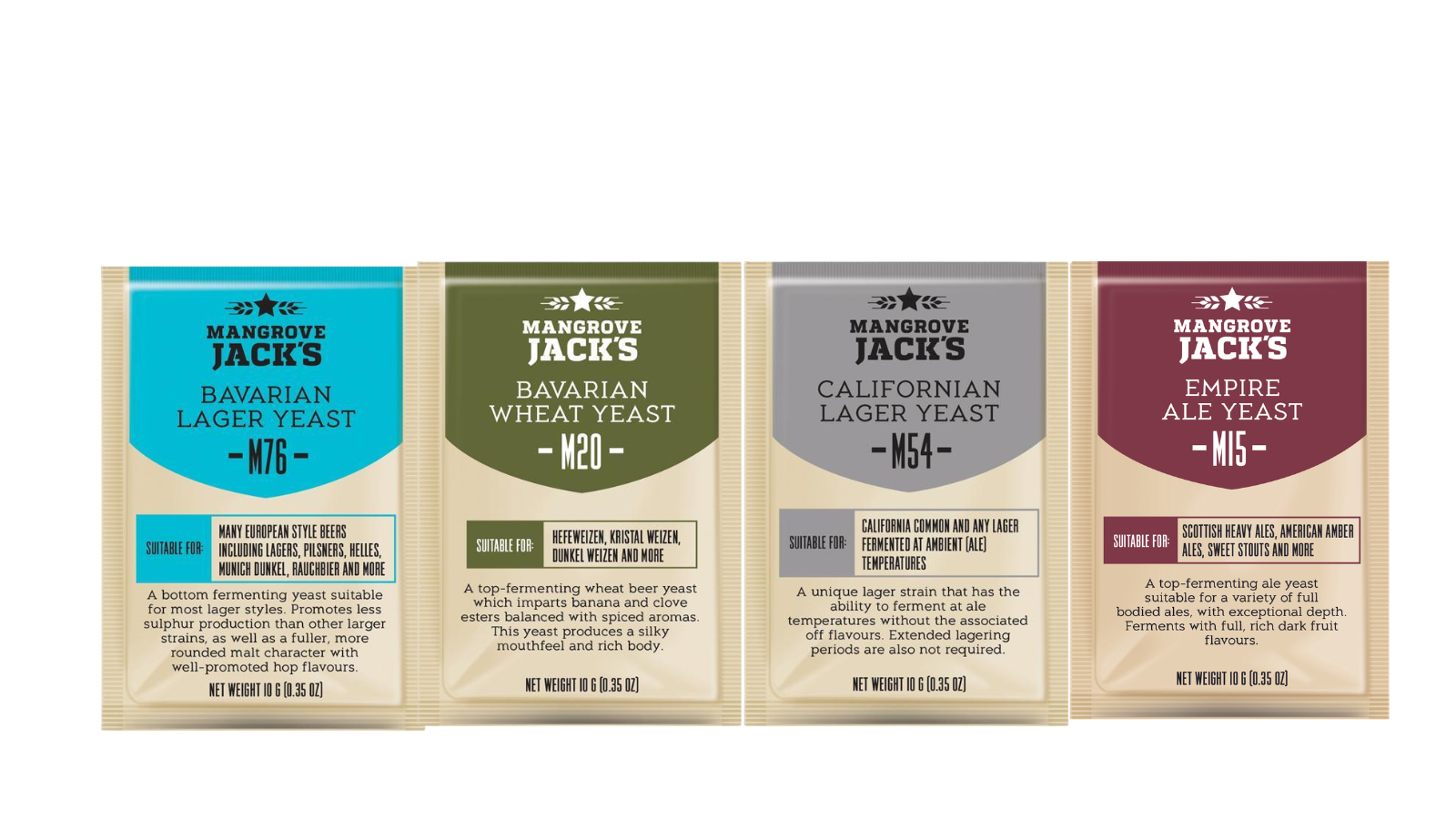
Fruju Hazy IPA uses two of Australia's most distinctive hop varieties in combination with a yeast built to amplify them. Ella contributes tropical passionfruit, pineapple, and a fresh spicy note. Eclipse adds a rounder citrus and stone fruit character that fills out the palate and adds depth to the Ella profile. Mangrove Jack's M66 Hophead Ale Yeast ferments cleanly and specifically enhances aromatic hop compounds, keeping the tropical fruit character vivid in the finished beer. At 35 to 40 IBU, the bitterness is firm — this is a proper IPA with hazy characteristics, not a soft NEIPA.
Ella and Eclipse are a complementary pairing. Ella is the louder variety — passionfruit and pineapple forward, with a spice note that adds complexity. Eclipse is rounder and more citrus-focused. Together they cover a wider flavour spectrum than either hop alone. Combined with M66, the result is a beer that delivers exactly what the name suggests.
Key advantages
When it makes sense
Brewing specs
What's in the kit
Tasting notes
Hamish's tip
The M66 yeast and the Ella and Eclipse hops are doing complementary jobs here — the yeast enhances the aromatic compounds the hops produce during dry hopping. To get the most out of this combination, keep fermentation at 18 to 20 degrees C for a clean base, then add the dry hops on day 4 to 5. At 35 to 40 IBU, this beer has more bitterness than a NEIPA — give it 5 weeks minimum in the bottle to let the bitterness integrate before you judge the balance.
Reviewed by the AHB Brewing Team — June 2026.
Buying from us
Questions about this product, shipping and orders. See the FAQ page for more topics.
A hazy IPA (also called a New England IPA or NEIPA) is soft, juicy, and cloudy, with tropical fruit forward flavour and low bitterness. A hazy IPA will often contain a portion of wheat malt, which has a high protein content that causes the hazy cloudiness. A West Coast IPA is clearer, crisper, and more bitter, with a drier finish and resinous pine or citrus character. This kit is brewed in the hazy style, so expect a pillowy mouthfeel and fruit-driven aroma rather than sharp bitterness.
For a hazy IPA, cloudiness is intentional and a sign the kit is performing correctly. The haze comes from hop compounds, proteins contained in wheat malt additions, and yeast interaction. If you are brewing a West Coast or clarity-focused IPA, using a premium brewing yeast and avoiding wheat malt additions will produce clearer results. Cooling the beer is another method: cold-crash the fermenter in a fridge (drop to 2 to 4 degrees C) for 48 hours before bottling. A fining agent can also do the job.
A malt extract kit provides the main fermentable sugars in a concentrated liquid or dry form, already converted from grain at a commercial brewery. You add water, yeast, hops, then ferment. It skips the grain mashing step, which cuts brew day down to about 30 to 45 minutes while still producing full-flavoured craft beer.
A fresh wort kit (FWK) delivers pre-brewed, unfermented wort in a bag, ready to pour straight into the fermenter and pitch yeast. No heating required. An extract kit requires you to dissolve the malt in hot water and add hops at various stages, which takes about 30 to 45 minutes. FWKs produce brewery-fresh flavour with almost zero work.
You need a 30-litre fermenter with an airlock, a hydrometer, a thermometer, a long-handled spoon, a bottle capper, crown seals, and bottles. A no-rinse sanitiser is essential. AHB stocks no-rinse sanitiser specifically for home brewing. AHB starter kits include all of this in one bundle if you are starting from scratch.
Allow 4 to 6 weeks total. Fermentation takes 7 to 14 days depending on temperature. After bottling, the beer needs at least 2 to 3 weeks to condition and carbonate. Most kits are at their best around week 5 or 6.
Yes. Extract recipe kits are the most approachable entry point to home brewing. The malt extract is already prepared, so there is no grain mashing or complex calculations involved. Follow the step-by-step instructions included and you will produce a solid result on your first brew.
Latest from Australian Home Brewing
How-tos, product notes, and distilling guides from the people who actually brew.
50+ Years in the industry