

50+ Years in the industry
Brewing beer spirits before man landed on the moon.

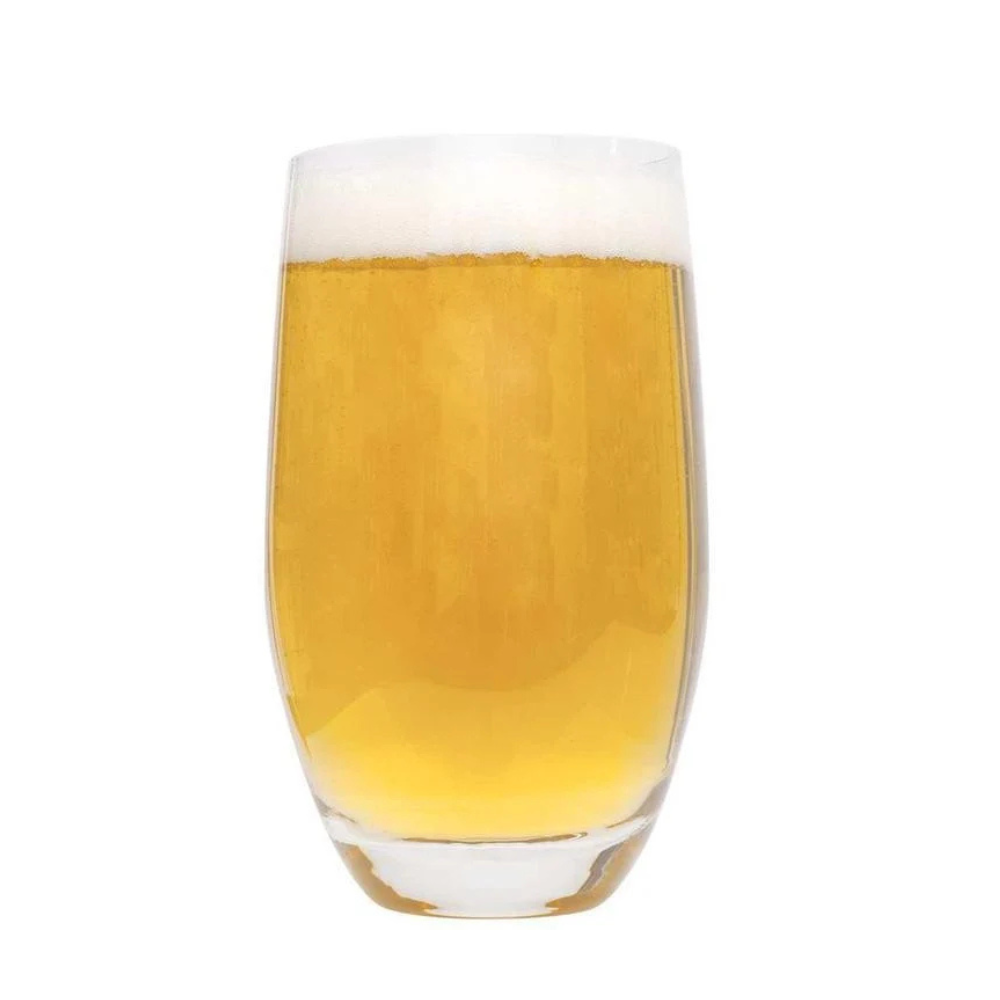
Brasserie Blonde is the low-strength blonde Belgian breweries keep for themselves: pilsner malt, a Belgian yeast and Nelson Sauvin, 23L of cafe beer at approx. 4.7%.
Normally shipped from our Melbourne warehouse within 2 business days (longer in peak periods). Shipping calculated at checkout by weight and postcode.
Dispatch. Orders normally ship from our Melbourne warehouse within 2 business days, longer during peak periods, fully tracked by Australia Post or one of our couriers. We email the tracking the moment it leaves.
Cost. Shipping is calculated at checkout from the parcel weight and your postcode, so you see the exact figure before you pay.
Changed your mind? Return it within 30 days of delivery, unused and in its original packaging, for an exchange or refund. Contact us first so we can arrange it. Original delivery and return postage are not refunded.
Arrived damaged or missing parts? Tell us as soon as it lands and we will replace or fix it and cover your return postage.
Warranty. Every product carries its manufacturer warranty, backed by Australian Consumer Law. Full refund policy
Belgian breweries keep a beer back for themselves. It never gets exported. It isn't the 9% one in the corked bottle with the gold foil. It's the one poured at the long table after the shift, around 4 or 5%, when you want three of them instead of one. The Belgians call it a patersbier. Almost nobody sells a kit for it. This is yours.
What's in the kit
Makes 23L, around 60 stubbies. You'll also need carbonation drops, sold separately.
The sugar is the whole point
Half a kilo of dextrose in a premium kit looks like a shortcut. In Belgian brewing it's the opposite.
Belgian breweries have used sugar for over a century and Duvel still does. It ferments out completely, so it drops the finishing gravity and leaves the beer dry and crisp rather than sweet and heavy. That dry finish is the reason you can drink a Belgian blonde all afternoon.
Take the sugar out and you've got a pale ale with Belgian yeast in it. Leave it in and you've got a blonde.
The yeast does the talking
SafAle T-58 is a Belgian specialty strain. Clove, white pepper, a little ripe pear.
Ferment it cool, around 18C, and the pepper leads. Let it run warmer toward 22C and you'll get more fruit. Both make a good beer, so that's your dial to turn.
It's also forgiving, which matters if you're brewing in a laundry rather than a fermentation fridge. Anywhere between 18C and 22C works.
About the Nelson Sauvin
This is the part that isn't traditional, and we're not going to pretend otherwise.
A Belgian cafe blonde would normally use Saaz and leave it there. We've kept the Saaz for its soft spice. Then we've added Nelson Sauvin, a New Zealand hop that tastes of white grape and gooseberry.
Here's the reasoning. The clove and pear coming off the Belgian yeast and the Sauvignon Blanc character of the Nelson land in the same place on your palate, so they stack instead of fighting. You get a beer that reads unmistakably Belgian with a bright, almost wine-like lift over the top that no Belgian brewery would think to put there.
If you'd rather have the strictly traditional version, leave the Nelson out and dry hop with Saaz instead. It'll be a good beer. Just a more familiar one.
Brew day is short
No mash. No 60 minute boil.
Dissolve everything in the pot, bring it to the boil, turn the heat straight off and steep the hops for 20 minutes. Top up, pitch the yeast, walk away. You're done in about an hour.
The can is already bittered, so nothing rides on your timing.
What to expect in the glass
Pale gold, with a tall white head that stays put.
It won't be brilliantly clear, and it isn't meant to be. T-58 settles into a fine powdery layer and the beer is bottle conditioned, so there's live yeast in every bottle. Give them three days in the fridge before you open one, then pour gently and leave the last centimetre behind. That's how Belgian beer gets served at home.
First pour at three weeks. It's better at four.
Specifications
| Style | Belgian blonde ale |
|---|---|
| Batch size | 23L |
| ABV | approx. 4.7% |
| O.G. | 1.046 |
| F.G. | 1.010 |
| Bitterness | around 20 IBU |
| Colour | Pale gold |
| Yeast | Fermentis SafAle T-58 |
| Ferment temp | 18C to 22C |
| Ready in | 5 weeks |
Where this sits
Put it next to the strong abbey kits and the difference is the occasion, not the quality. Those are one-glass beers. This is the one you brew for a long afternoon. If you're landing here without gear, a starter kit gets you the fermenter, hydrometer and bottling essentials in one box.
Been helping Aussie brewers since 1968.
50+ Years in the industry