
Filters
22 products


















Making cider at home
Cider is fermented apple juice, and that simplicity is the appeal. There is no mash and no boil. You are managing a fermentation rather than running a brew day, which makes it one of the most accessible projects in the shop and a genuinely good first ferment for anyone who has never made anything before. Start with cider basics, then follow making your own cider for the full run through.
Kits and juice
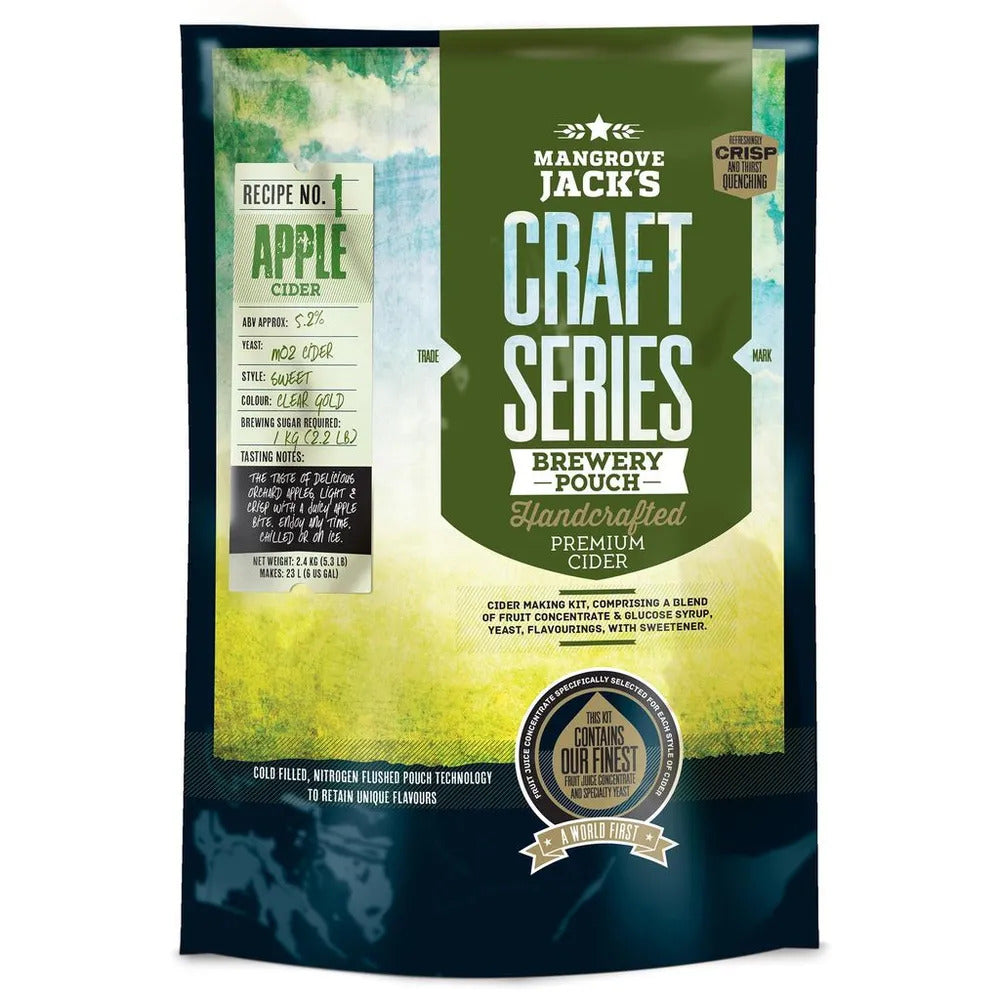
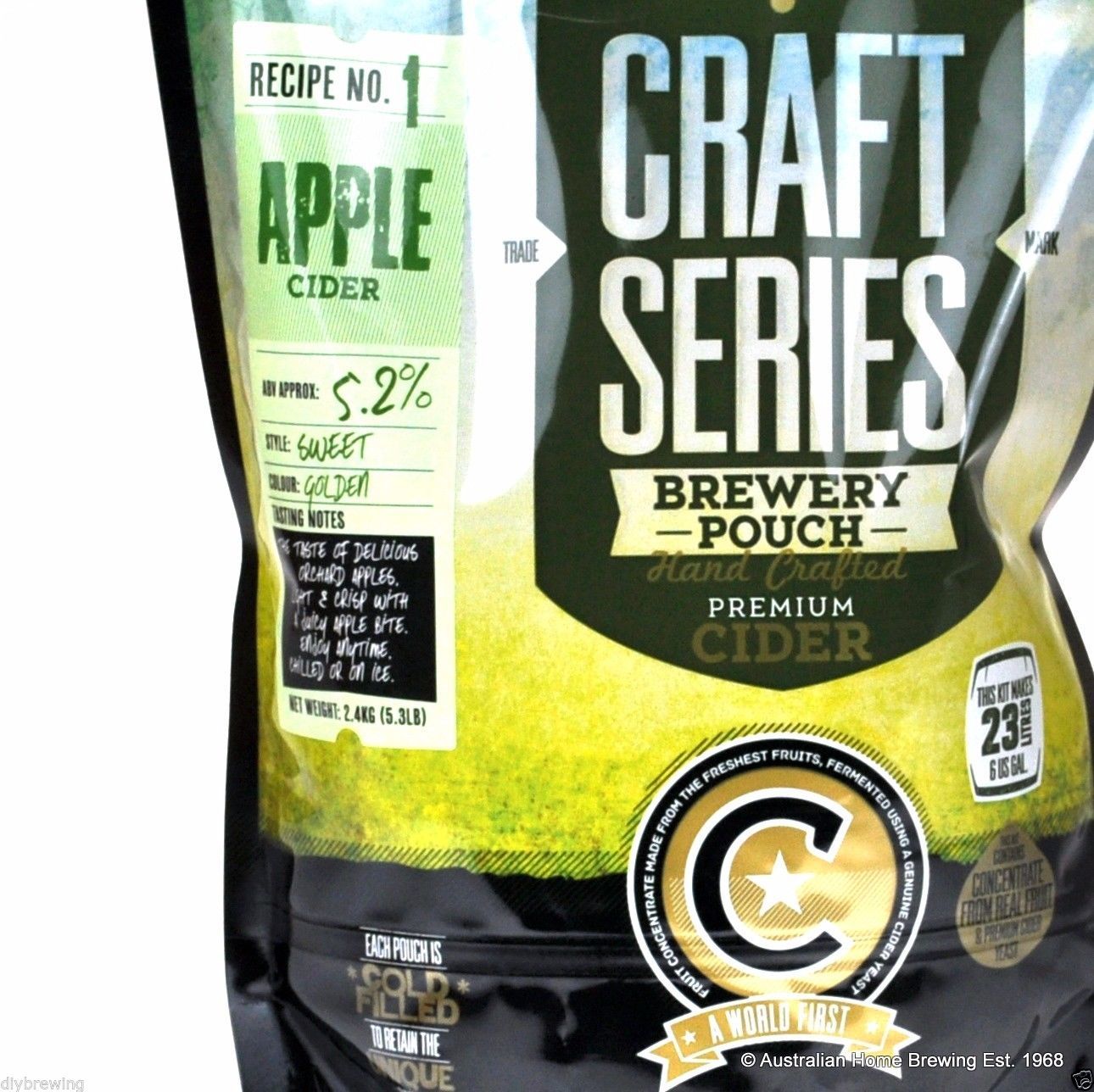
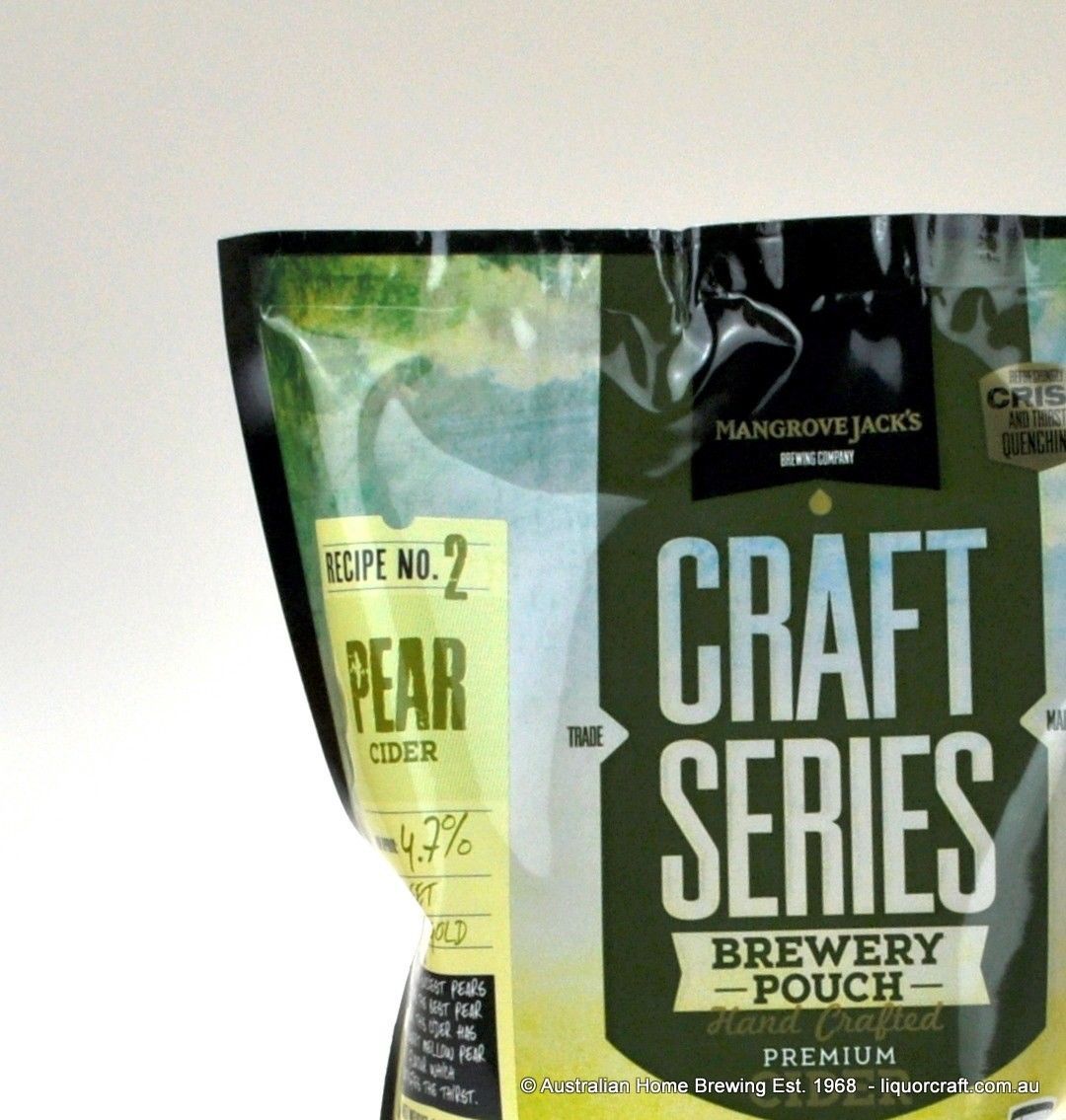
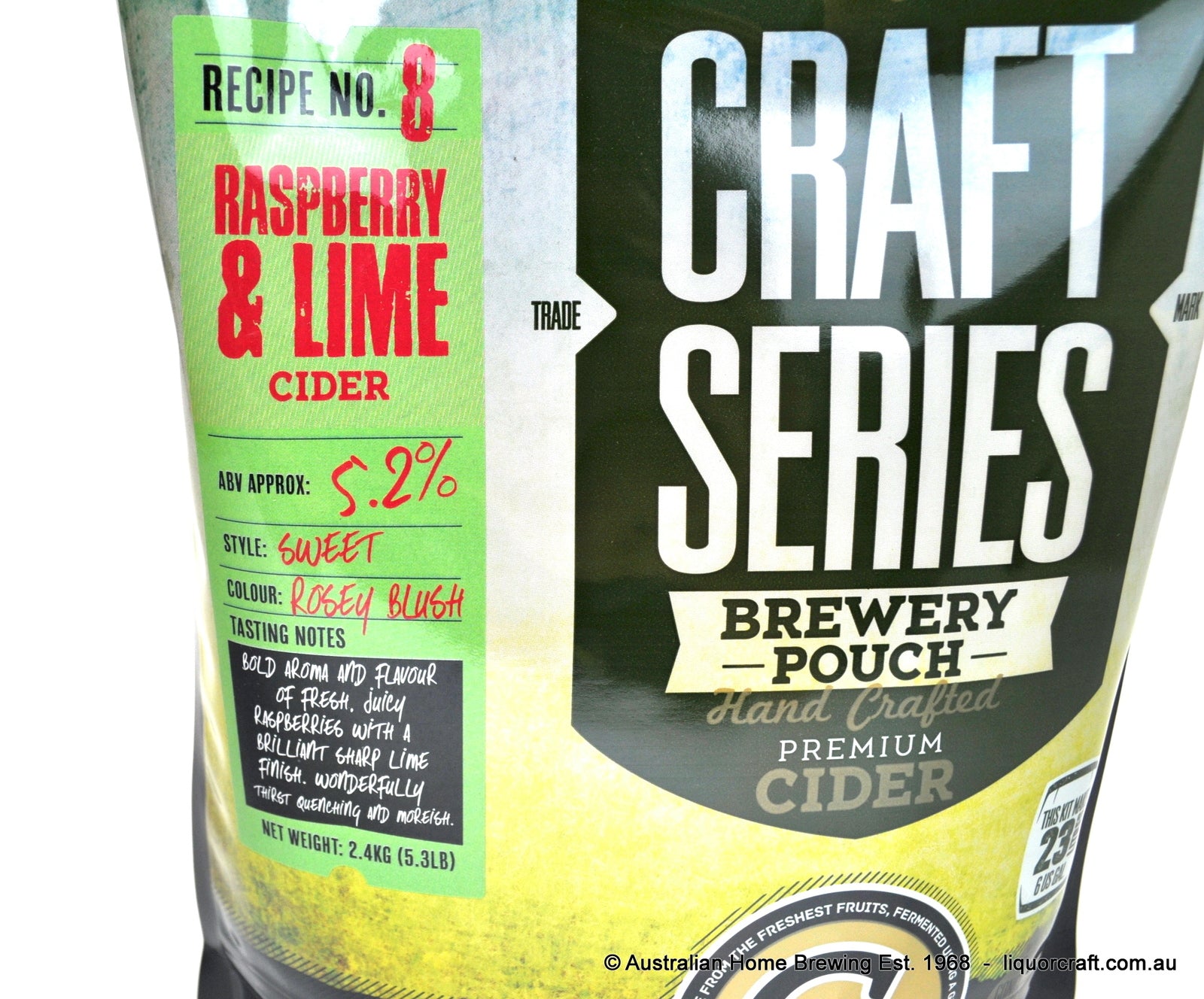
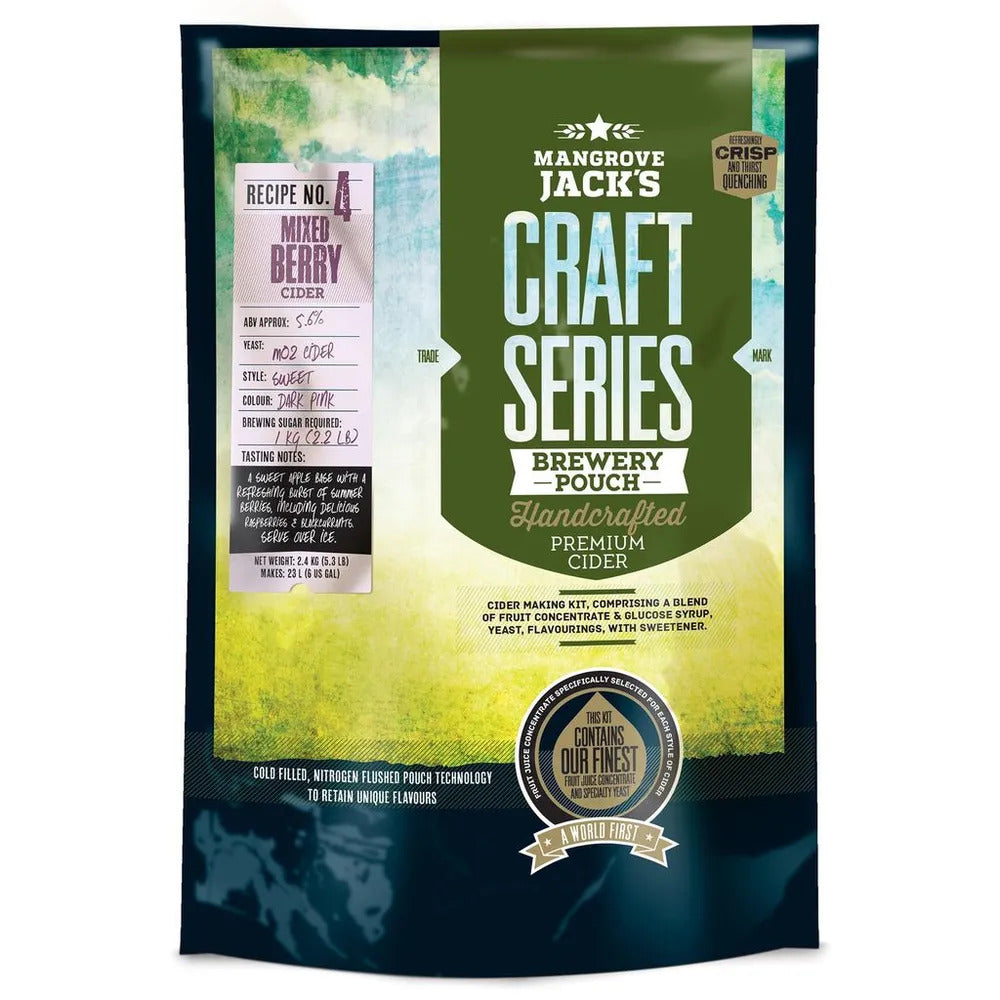
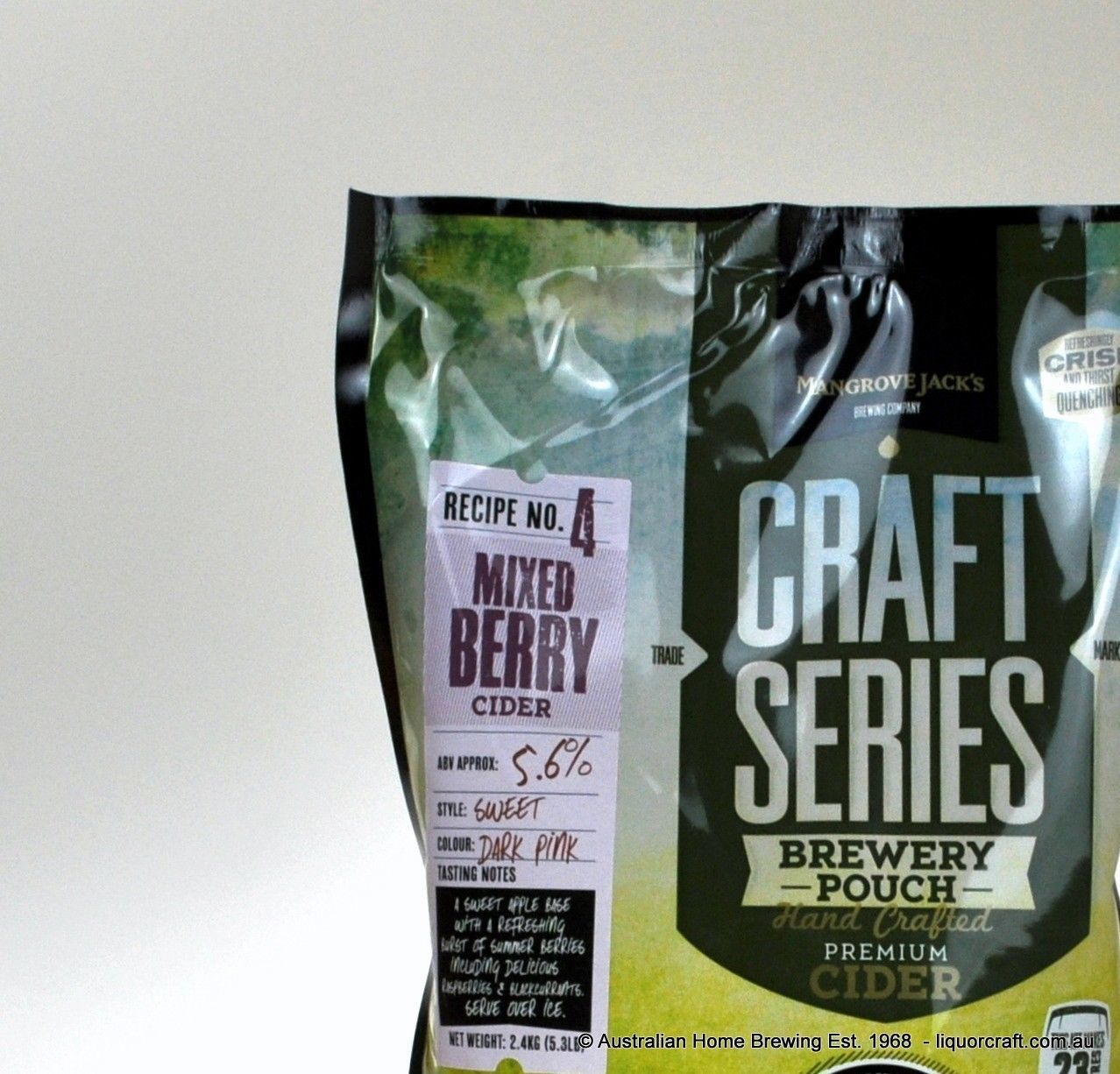
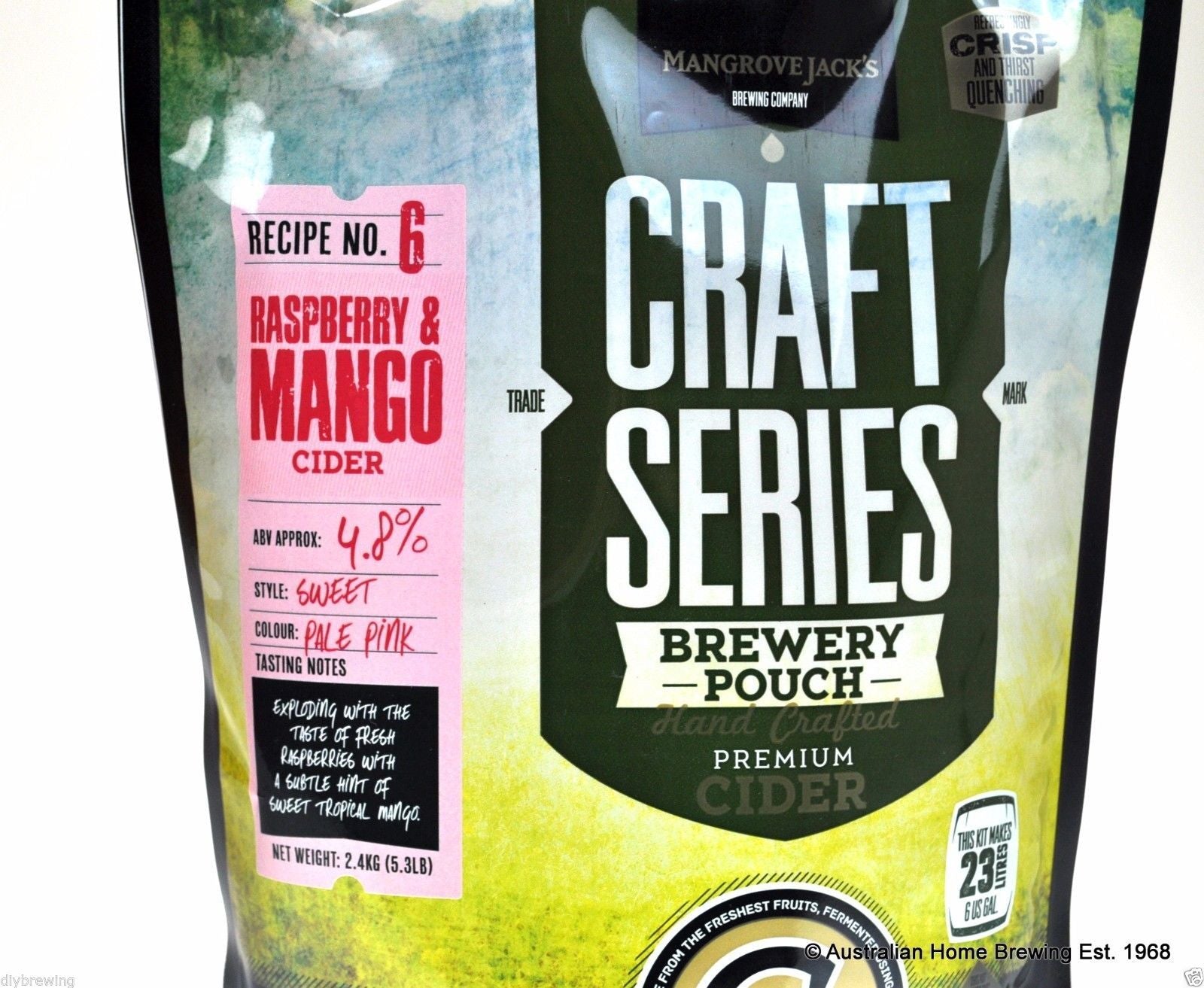
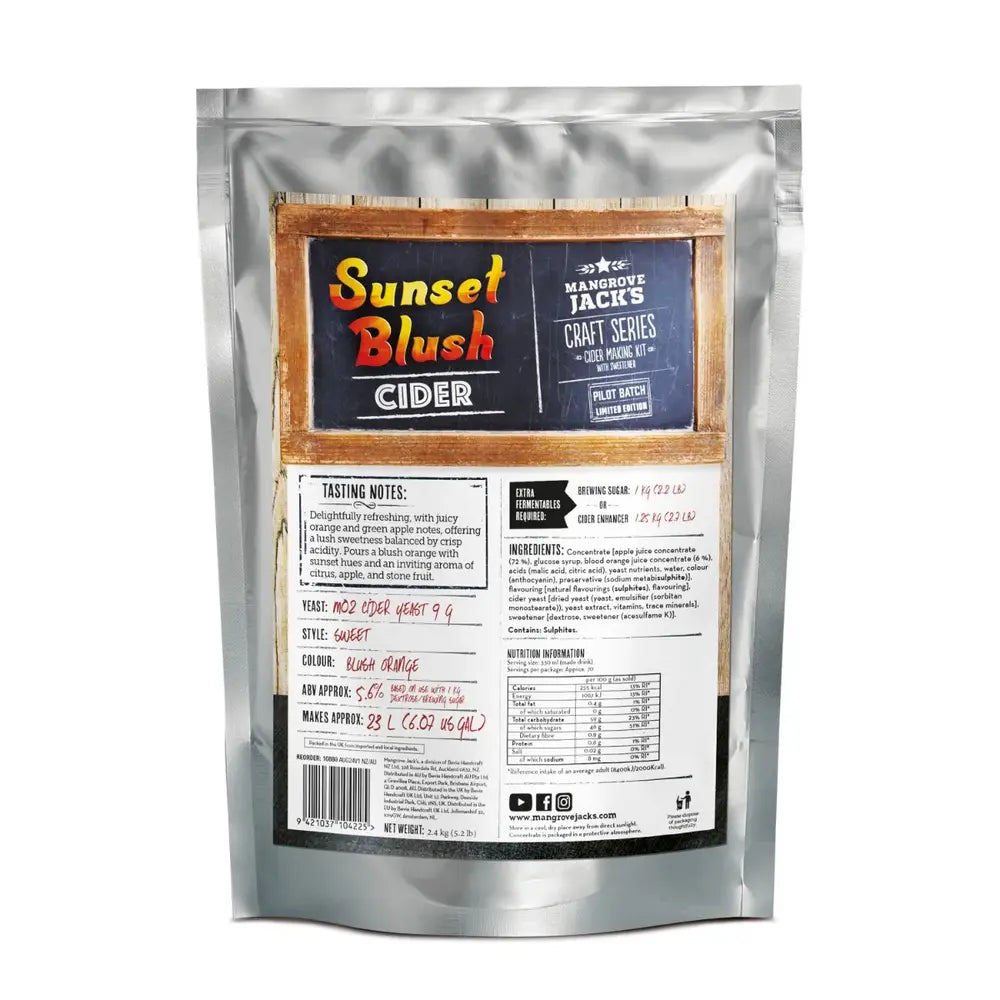
- Mangrove Jack's Craft Series. 2.4kg pouches fermenting to a full batch. Apple is the traditional starting point, then Pear, Mixed Berry, Strawberry and Pear, Raspberry and Lime, Raspberry and Mango, and Peach and Passionfruit. Hopped Apple and Rose sit outside the usual run, and the Sunset Blush is a limited edition.
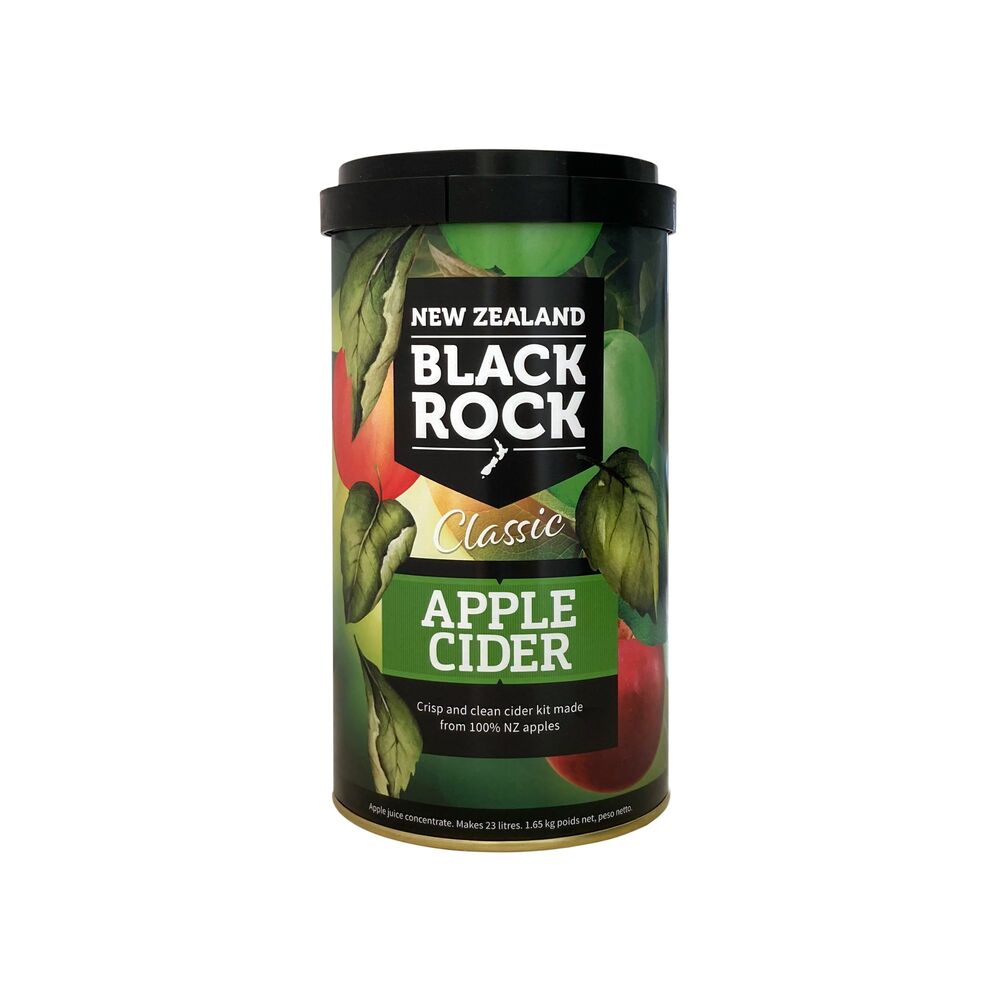
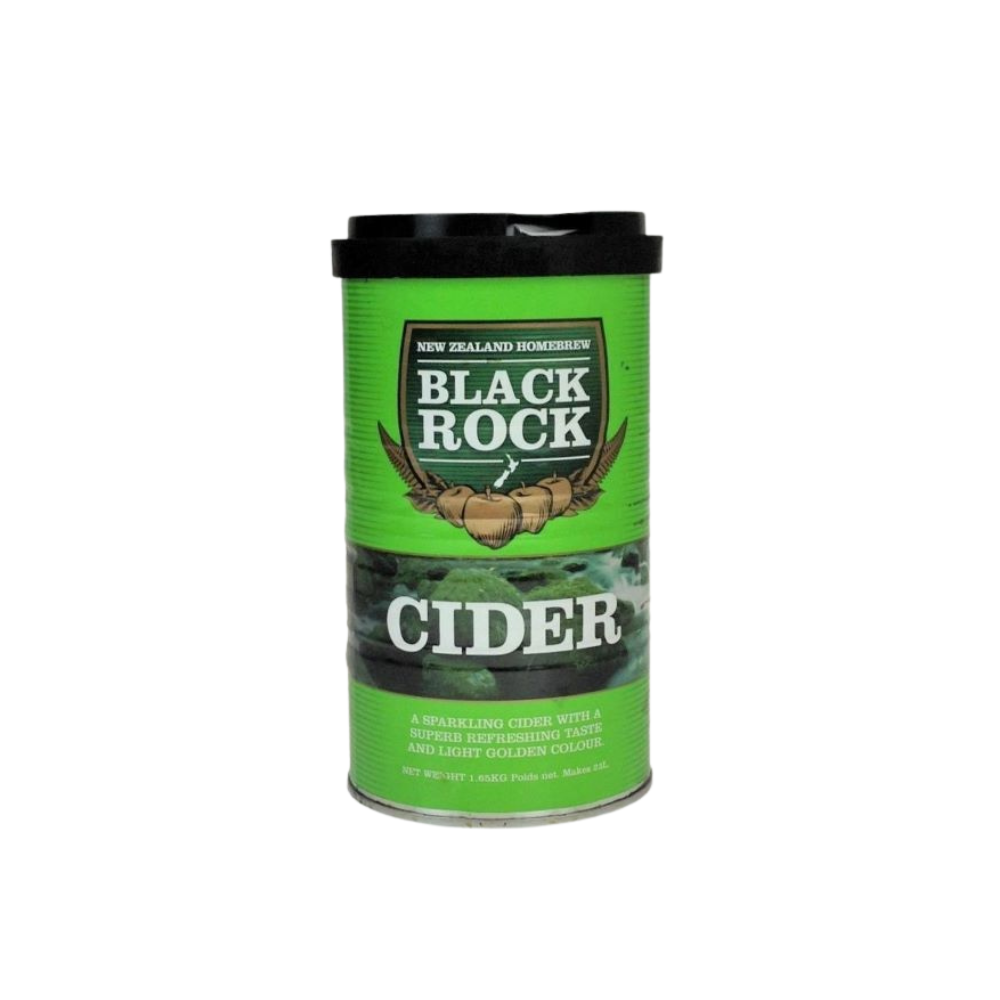
- Black Rock Cider. A 1.65kg tin, and available as an Apple Cider six pack if you brew cider regularly.
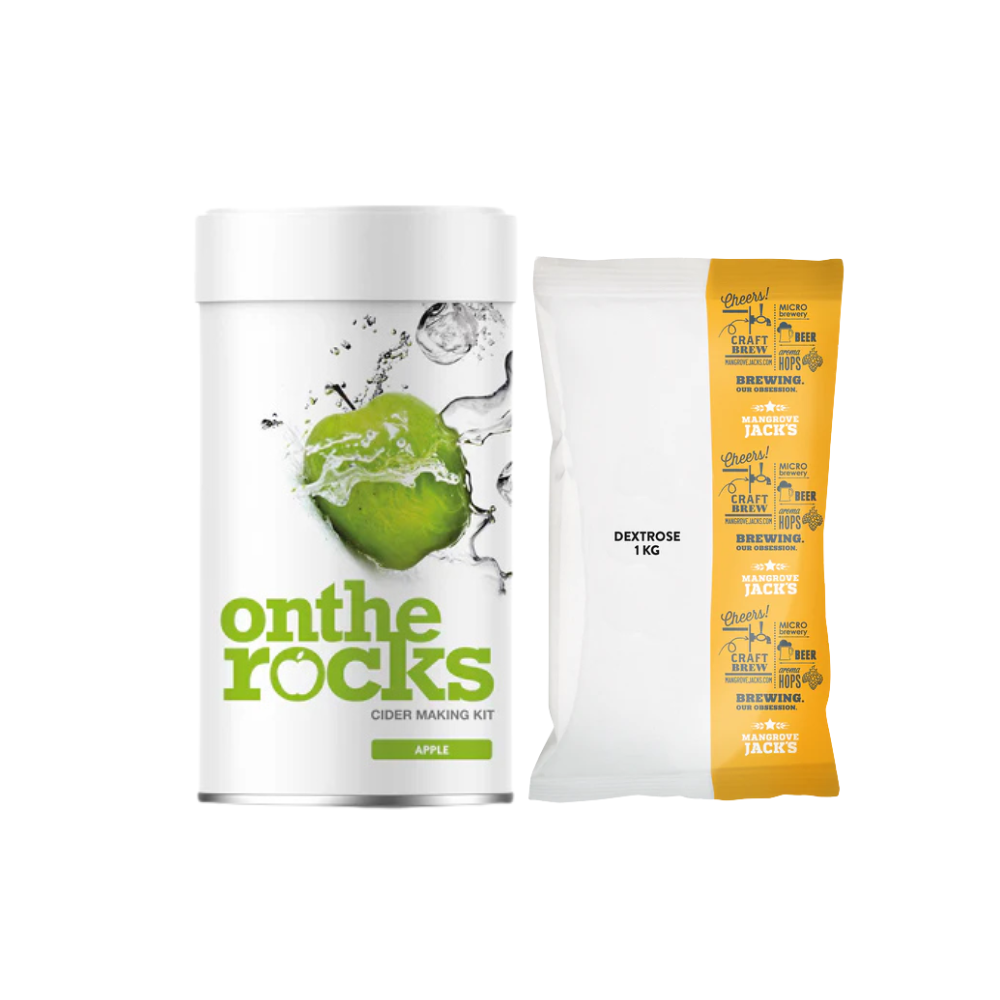
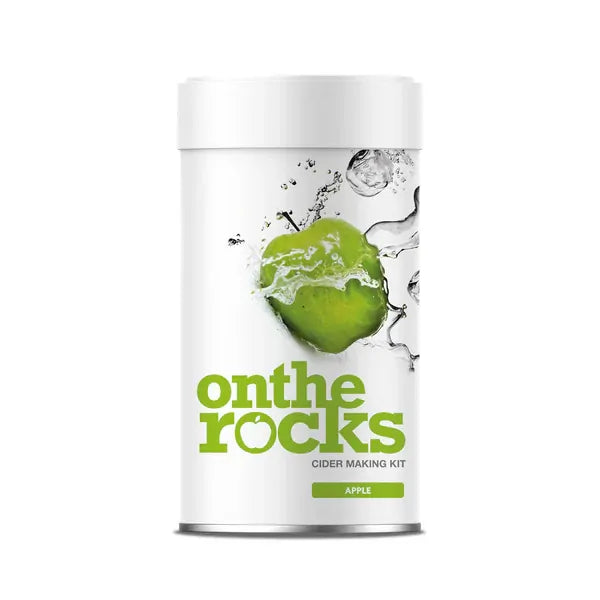
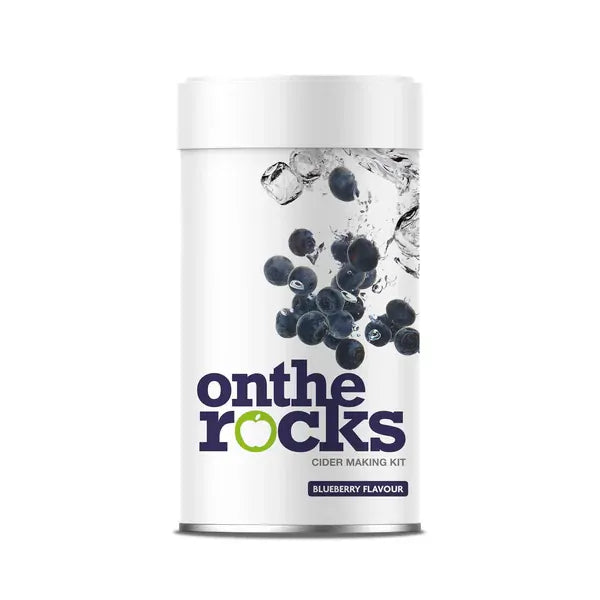
- On The Rocks. Apple and Blueberry.
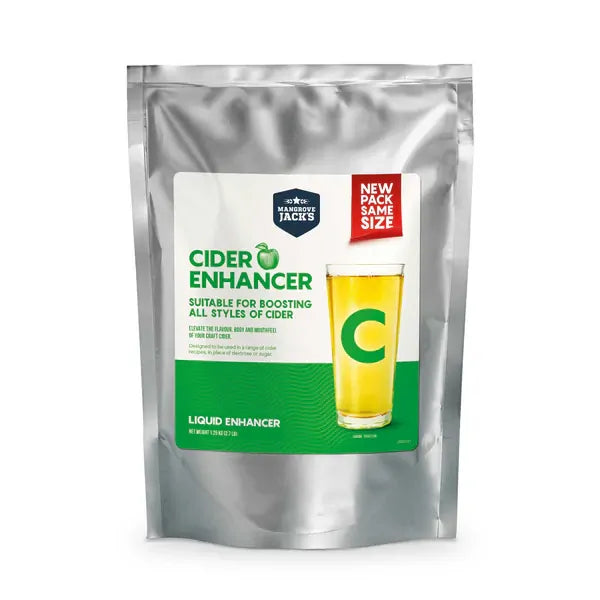
- Cider Enhancer. 1.2kg, for body and mouthfeel where a plain kit finishes thin.
Yeast, and why it matters here
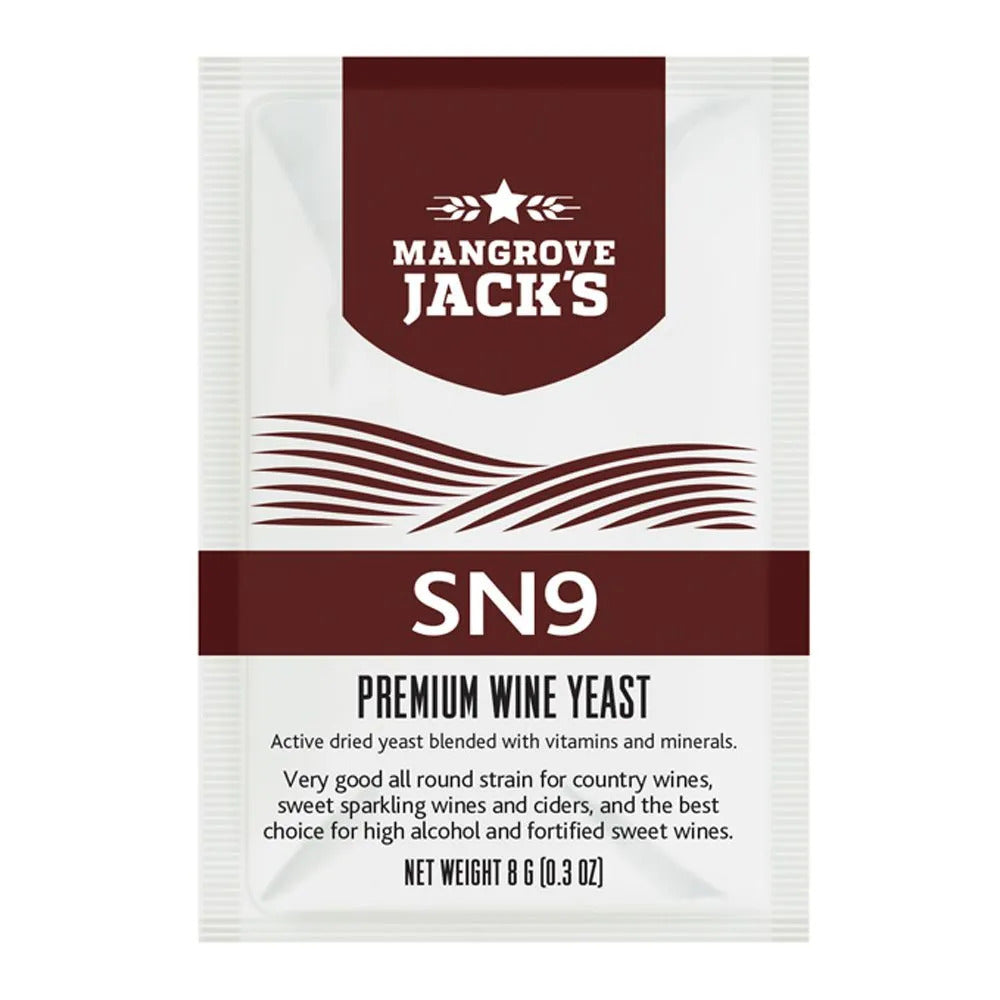
Cider yeast choice drives more of the result than the juice does. Mangrove Jack's M02 Cider Yeast is the straightforward pick. SN9 is the wine yeast option for a drier, more vinous finish. If you ever find yourself without either, EC-1118 is the safest substitute.
Most yeasts ferment apple juice completely dry, giving a crisp, tart cider with very little residual sweetness. That surprises people expecting something closer to what they buy in a bottle.
Temperature and knowing when it is done
Cider ferments best at 15 to 20 degrees, and most cider yeasts prefer 15 to 22. A 23 litre kit wants a 25 to 30 litre fermenter so there is headspace for the krausen.
It is finished when the gravity reading is stable across two consecutive readings taken 48 hours apart. Not when the airlock stops bubbling, which tells you very little. If the hydrometer is still a mystery, how to use a hydrometer covers taking and reading it properly.
Sweet or dry, and carbonation
This is where most first ciders go wrong. If you want a sweet sparkling cider, you need a non-fermentable sweetener such as lactose or stevia, added before bottling. Standard sugar added at bottling will simply ferment out and leave you with a dry cider, because the yeast is still alive and will eat anything it can.
Starter kits
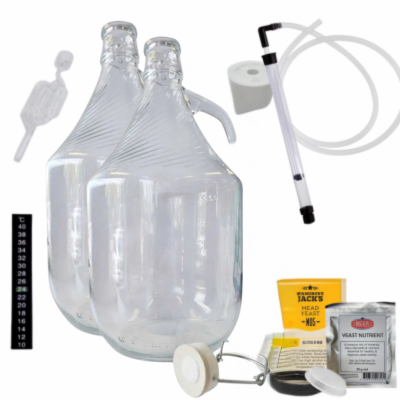
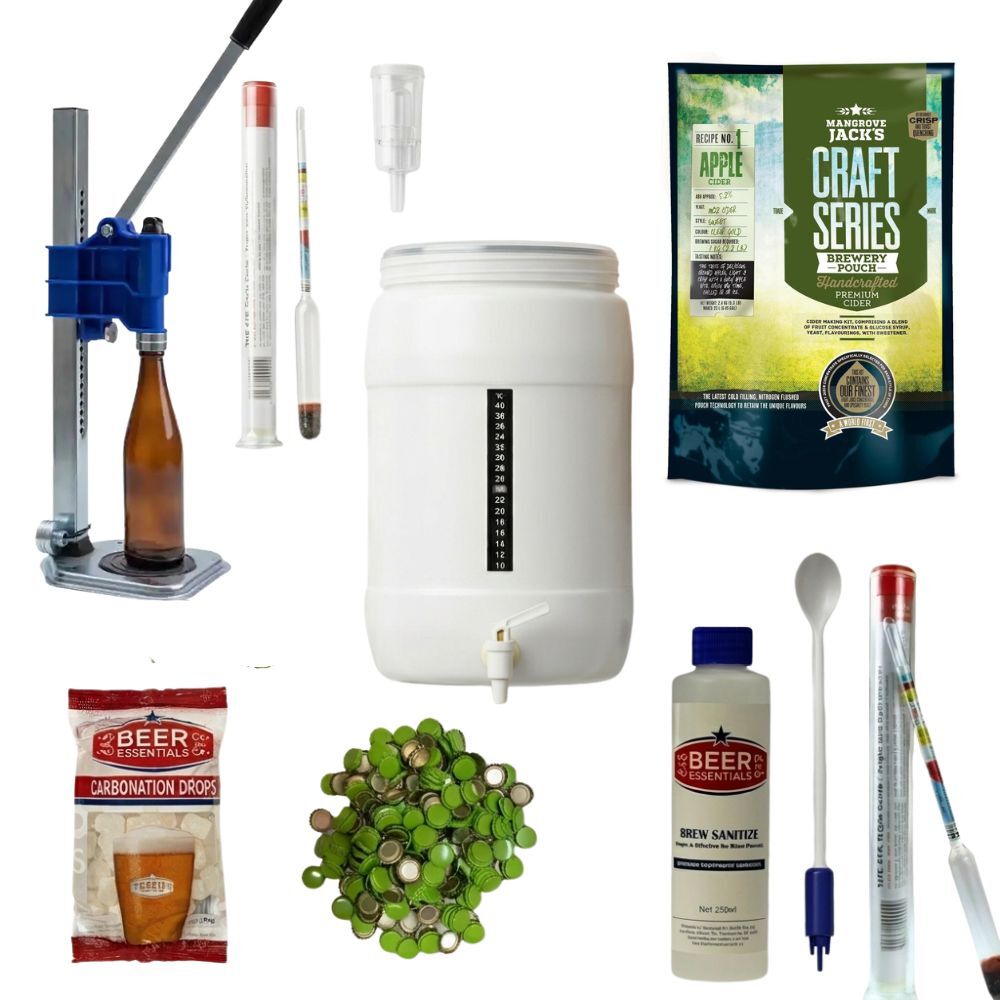
The AHB Starter Cider Making Kits bundle the fermenter, capper and everything else needed to go from juice to bottled cider. Available with a twin-lever capper or a bench capper. The bench capper is easier on the hands if you are bottling regularly.
Ships Australia-wide from our Melbourne store. We have been helping Australians ferment things since 1968, so ask if you are stuck between a dry finish and a sweet one.
Buying from us
Quick answers
Shipping and orders apply to everything in this collection. See the FAQ page for more topics.
Monday to Friday, 9-4pm AEST.We normally get back to you within a day—often sooner.
What temperature should cider ferment at?
Cider ferments best at 15 to 20 degrees, and most cider yeasts prefer a range of 15 to 22 degrees. Check the juice temperature is inside the yeast's recommended range before pitching.
How do I know when my cider has finished fermenting?
When the gravity reading is stable across two consecutive readings taken 48 hours apart. Do not go by the airlock. Bubbling slowing or stopping tells you very little, and bottling early is a common cause of problems later.
Why did my cider come out dry instead of sweet?
Because most yeasts ferment apple juice completely dry, producing a crisp, tart cider with little residual sweetness. Adding standard sugar before bottling will not fix it, since the yeast is still alive and will ferment that out too. For a sweet sparkling cider you need a non-fermentable sweetener such as lactose or stevia, added before bottling.
Which yeast should I use for cider?
Mangrove Jack's M02 Cider Yeast is the straightforward choice. SN9 is the wine yeast option if you want a drier, more vinous finish. If you are out of both, EC-1118 is the safest substitute.
What size fermenter do I need for a cider kit?
A 23 litre cider kit needs a 25 to 30 litre fermenter so there is headspace for the krausen during active fermentation. Filling a fermenter to the brim is how you end up cleaning the floor.
How long will my order take to arrive?
Metro: usually a few business days. Regional: often a bit longer. You get tracking when it leaves the warehouse.
What is your returns policy?
If something isn't right, tell us. We'll sort returns or replacements under Australian Consumer Law and our written policy. No drama.
Monday to Friday, 9-4pm AEST.We normally get back to you within a day—often sooner.