
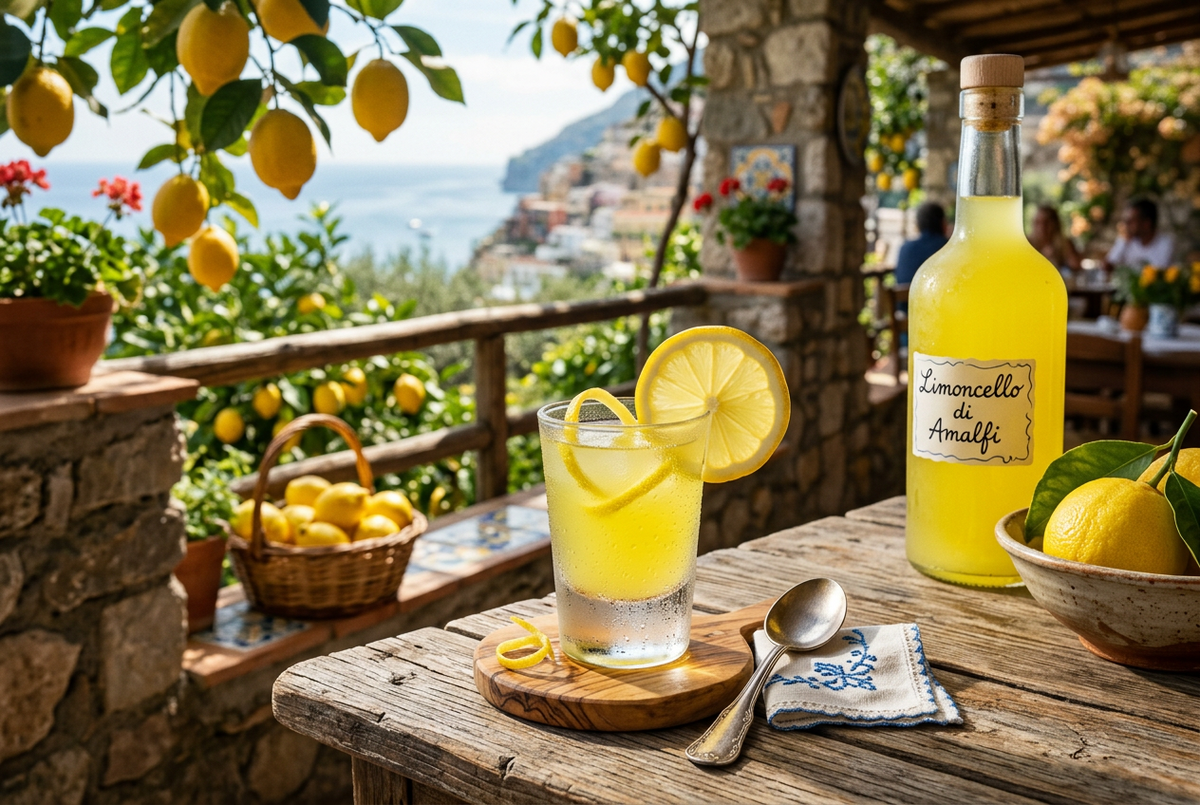
By Hamish Rodgers-Wilson, Australian Home Brewing, established 1968
Limoncello is lemon zest steeped in spirit, then sweetened. This recipe makes 1.125 litres from the zest of 10 lemons, a 750 ml bottle of 40% vodka or neutral spirit, and one Still Spirits Liqueur Base C, and it takes six weeks of waiting and about half an hour of work.
It is the liqueur Italians make at home more than any other. Wikipedia describes limoncello as a traditional lemon liqueur from Southern Italy, made around the Gulf of Naples, the Gulf of Salerno and Sicily, traditionally served chilled after dinner, and the second most popular liqueur in Italy. Australian Home Brewing has handed this version over the counter in Melbourne for years.
You do not need a still. A bottle of vodka from the bottle shop is the right starting point, and steeping zest in it is not distilling, so no licence is involved.
Traditional limoncello
Zest only, no juice. This is the clean, bright style served from the freezer along the Amalfi coast.
| Ingredient | Quantity |
|---|---|
| Lemons | 10, zest only |
| Still Spirits Liqueur Base C | 1 pack (320 g) |
| Vodka or neutral spirit at 40% ABV | 750 ml |
| Water | to top up to 1.125 litres |
- Wash and scrub the lemons well. Waxed supermarket lemons need a scrub in warm water; unwaxed or backyard lemons just need a rinse.
- Take the zest off with a zester or a sharp paring knife, and shred it. The zest is the yellow outer skin, and it holds the oils that give limoncello its flavour and aroma. Leave the white pith behind. Pith is bitter, and it is the reason most homemade limoncello disappoints.
- Put the zest and half of the spirit, 375 ml, in a glass container with a tight lid. A 2 litre screw-top flagon is ideal. Seal it and leave it for three weeks.
- Dissolve the Liqueur Base C in the other 375 ml of spirit in a second container. Stir or shake until the powder is fully dissolved, then add it to the lemon and spirit mixture and mix again.
- Seal the container so nothing evaporates and leave it for another three weeks.
- Strain out the zest, top up with water to 1.125 litres if needed, and bottle the liqueur.
Serve it very cold. Keep the bottle in the freezer, which is the traditional way and the reason the spirit matters: at this strength it does not freeze.
Juicy limoncello
The juice adds a sour note that a lot of drinkers prefer, and it uses half the lemons.
| Ingredient | Quantity |
|---|---|
| Lemons | 5, zest and juice |
| Still Spirits Liqueur Base B (or Base C for a sweeter result) | 1 pack |
| Vodka or neutral spirit at 40% ABV | 750 ml |
| Water | to top up to 1.125 litres |
- Wash and scrub the lemons.
- Zest them the same way, yellow only, no pith.
- Squeeze the juice and discard the lemons.
- Put the zest, the juice and 500 ml of the spirit in a glass container, seal it and leave it for three weeks.
- Dissolve the Liqueur Base in the remaining 250 ml of spirit, stir until fully dissolved, add it to the lemon mixture and mix well.
- Seal and leave for another three weeks.
- Strain, top up with water to 1.125 litres if needed, and bottle.
Choosing the base pack
The base pack is the sugar and body. Still Spirits makes three: Base A is the least sweet, Base B is the middle and Base C is the sweetest, which is why the traditional recipe calls for C. Change the letter and you change the sweetness, so a drier limoncello is the same recipe on Liqueur Base B, and a dessert-sweet one stays on C. Still Spirits Liqueur Base C is the one to buy for the recipe as written.
The quick version
If six weeks is too long, the Icon Limoncello is a 330 ml bottle of ready-made concentrate that flavours up to 1 litre. Shake it well, pour it into a 1 litre bottle, add 90 ml of water and top up with vodka or neutral spirit at 50% ABV. It is ready the same day. It will not taste of your own lemon tree, which is the trade.
Bottling and serving
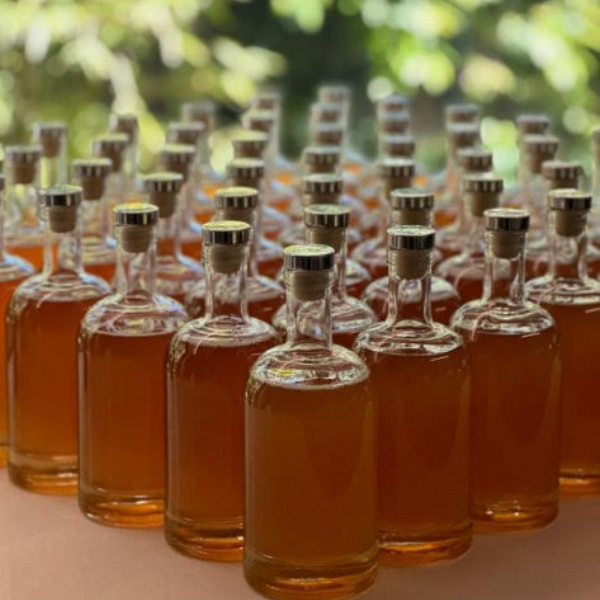
Any sealed glass bottle works. The glass spirit bottles range has 700 ml bottles, and one batch fills two of them with room to spare. Fill them cold, straight from the freezer, and keep them there.
Italians drink it neat, in a small chilled glass, after dinner. It also goes into a glass of prosecco or soda water with ice, over vanilla ice cream, and into a lemon drop martini in place of the sugar.
Frequently asked questions
What is the best alcohol to use for limoncello?
A plain, unflavoured vodka at 40% ABV, or your own neutral spirit at the same strength if you make it. Italian recipes use a 95% grain spirit because that is what is sold there; in Australia, 40% vodka is the standard starting point and the recipe above is written for it. If you make your own neutral spirit, our guide to how to make vodka at home covers the wash, the run and the filter. Distilling spirits in Australia needs a licence from the ATO, including at home; steeping zest in a bought spirit does not.
Can I make homemade limoncello in Australia?
Yes. Buy the vodka, steep the zest, add the base pack. That is infusing, not distilling, and no licence is needed. The only part of spirit making that needs an ATO licence is running a still to make the spirit itself.
How strong is homemade limoncello?
This recipe puts 750 ml of 40% spirit into a 1.125 litre batch, which works out to around 27% ABV before any water the lemons and juice add. That is why it stays pourable in the freezer. Use more spirit and less water for a stronger bottle.
Why is my limoncello bitter?
Pith. The white layer under the zest is bitter and it goes into the spirit along with the oils. Take the zest off thinly, and if some pith comes with it, trim it off before the zest goes in.
Why did it go cloudy?
When the sugar base meets the lemon oils in the spirit, the mixture turns cloudy and pale yellow. That is normal and it is what a good limoncello looks like. It does not mean anything has gone wrong.
What do you mix limoncello with?
Prosecco or sparkling wine for a spritz, soda water and ice for a long drink, or a lemon drop martini. On its own, very cold, is how it is served in Italy.
How long does homemade limoncello keep?
Kept in the freezer or the fridge in a sealed bottle, it keeps for months. The spirit preserves it. The flavour is brightest in the first few months after bottling, so make it in lemon season and drink it through summer.

Leave a comment
This site is protected by hCaptcha and the hCaptcha Privacy Policy and Terms of Service apply.