
Gin Botanicals: A Complete Guide for Australian Home Distillers
Author: AHB Brewing team Date Posted:16 June 2026
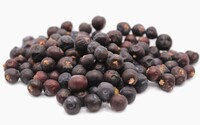

Juniper berries are the defining botanical in gin and without them, it is not legally gin.
Gin botanicals are the herbs, roots, seeds, and peels that give gin its flavour. Every gin starts as a neutral spirit , it’s the botanicals that define the character. Juniper is non-negotiable; everything else is a choice. This guide covers the botanicals that go into a classic dry gin, Australian native options worth exploring, quantities to start with, and how to use them with a home still.
Key takeaways around Gin and botanicals:
Juniper berries are the defining botanical in gin and without them, it is not legally gin.
A classic dry gin uses 3-5 botanicals; most craft gins use 6-12.
Start with juniper, coriander seed, and dried citrus peel before adding complexity.
Australian native botanicals (mountain pepperberry, lemon myrtle) can replace or supplement traditional European botanicals.
What are gin botanicals?
Gin botanicals are natural plant materials — berries, seeds, roots, bark, and dried peels — that flavour gin during distillation. When neutral spirit is distilled in the presence of botanicals, either through maceration (soaking) or vapour infusion (passing steam through a basket), the volatile aromatic compounds in the botanicals are carried into the distillate.
The result is a spirit with a flavour profile that reflects exactly what you put in. A gin made with heavy juniper and coriander is piney and citrusy. Add angelica and orris root and it becomes earthy and floral. Swap in Australian natives and the profile shifts toward something uniquely local.
Botanicals affect flavour, not alcohol content. Your base neutral spirit determines the ABV. Botanicals only change what the spirit tastes like.
The three botanicals every gin needs -
Most gin recipes begin with the same three core botanicals. These form the backbone of classic London Dry style and give you a solid base to experiment from.
1.Juniper berries
Juniper berries are the defining botanical in gin. Without a dominant juniper character, a spirit cannot legally be called gin in Australia. They contribute pine, resin, and floral notes and provide the foundation every other botanical builds on.
Starting quantity: 10-20g per litre of neutral spirit. Most home distillers begin around 15g per litre and adjust from there. More juniper gives a more traditional, piney gin. Less lets other botanicals come forward.
2.Coriander seed
Coriander seed is the second most common botanical in gin and appears in almost every classic recipe. It adds bright citrus, floral, and mild spice notes that lift the juniper character and add complexity. Use the whole seed, lightly cracked.
Starting quantity: 3-8g per litre. Coriander is versatile and pairs with almost everything
3.Angelica root
Angelica root is earthy and slightly bitter, and it plays a functional role beyond flavour. It acts as a fixative, helping to bind other botanical aromas together and extend their presence in the finished gin. Many distillers describe it as the ingredient that makes a gin taste finished rather than raw.
Starting quantity: 1-3g per litre. Angelica is powerful and if you use too much and it dominates. Start at the low end.
Citrus botanicals
Dried citrus peel adds brightness and lift to gin. Fresh peel is rarely used in home distillation because the higher moisture content can affect the distillate. Dried peel , lemon, orange, or grapefruit — works better and stores easily.
Dried lemon peel: clean citrus, sharp and fresh. 2-4g per litre.
Dried orange peel: rounder, slightly sweet citrus. 2-4g per litre.
Dried grapefruit peel: bitter, aromatic. Use sparingly, 1-2g per litre.
Use one or two citrus botanicals rather than all three in a single batch. Lemon and orange together work well for a classic profile. Grapefruit pairs well with Australian natives.
Australian native botanicals
Australian native botanicals have become a defining feature of craft gin made in Australia. They can replace traditional European botanicals or sit alongside them to add something uniquely local to your gin.
Mountain pepperberry
Mountain pepperberry (Tasmannia lanceolata) is native to south-eastern Australia and Tasmania. It delivers a distinct spicy, peppery heat with floral and berry-like undertones. It is one of the most used Australian natives in local craft gin and pairs naturally with juniper.
Use sparingly: 1-2g per litre. The heat builds quickly and can overpower other botanicals if overused.
Lemon myrtle
Lemon myrtle (Backhousia citriodora) has a citrus intensity that exceeds lemon peel. The aroma is clean and bright with a eucalyptus edge. It can substitute for dried lemon peel entirely or be used alongside it to amplify the citrus character.
Starting quantity: 1-2g per litre. Lemon myrtle is highly aromatic — a small amount goes a long way.
Wattle seed
Wattle seed (from Acacia species) adds a roasted, nutty flavour with vanilla and coffee undertones. It is less typical in a classic dry gin but works well in more contemporary or amaro-adjacent gin styles. Use it if you want depth rather than brightness.
Starting quantity: 2-4g per litre.
Methods for extraction : Maceration vs basket distillation
There are two main methods for extracting flavour from gin botanicals in a home still: maceration and vapour infusion through a gin basket. Both methods work, and both produce different results.
Maceration
Maceration means soaking your botanicals directly in neutral spirit at 40% ABV before redistilling. The botanicals steep in the spirit for 12-48 hours, extracting colour and flavour compounds, then the botanical-infused spirit is redistilled to produce the finished gin.
Maceration produces a bolder, more robust flavour. It suits heavier botanical profiles with roots, seeds, and bark. It is the traditional method used in London Dry gin production.
Gin basket (vapour infusion)
A gin basket sits in the still above the liquid. During distillation, rising vapour passes through the basket and picks up volatile aromas from the botanicals without any soaking. The result is a lighter, more delicate flavour profile with cleaner citrus and floral notes
Which method should you use?
If you are using an Air Still Pro with a gin basket, start with vapour infusion. It is simpler, produces consistent results, and lets you taste each botanical combination without committing to a full maceration batch. Once you understand how your chosen botanicals behave, try maceration to compare the difference.
A simple starter recipe for classic dry gin - This recipe produces a classic dry gin profile suitable for a 2-litre batch using the Air Still Pro gin basket or maceration in a pot still. Adjust quantities to taste after your first batch.
Botanicals per 2L of 40% neutral spirit:
Juniper berries (lightly cracked): 30g
Coriander seed (lightly cracked): 10g
Angelica root: 4g
Dried lemon peel: 6g
Dried orange peel: 4g
For vapour infusion: load all botanicals into the gin basket and redistil your 40% neutral spirit. Collect the hearts cut as normal.
For maceration: combine botanicals with 2L of 40% neutral spirit in a sealed container. Leave for 24 hours at room temperature, then redistil.
Both methods will produce a clean, juniper-forward gin with citrus brightness. Taste after your first batch and adjust: more juniper for a bolder gin, more lemon myrtle or grapefruit peel for a brighter one, a pinch of mountain pepperberry for heat.
Frequently asked questions
How many botanicals do I need to make gin?
You need a minimum of one botanical - juniper. A simple but drinkable gin can be made with just juniper and one other botanical such as coriander seed. Most home distillers use 4-8 botanicals to build a more complex profile. Using more than 12-14 botanicals in a home batch makes it difficult to identify what is contributing what flavour.
Can I make gin at home in Australia?
Home distillation of spirits is not legal in Australia without an appropriate licence. The Air Still Pro and similar home stills are sold legally for making non-alcoholic distilled products such as essential oils and distilled water. Any gin-making using a home still should be undertaken within the relevant state and federal regulations. AHB stocks botanicals for educational and culinary use.
What is the difference between maceration and basket distillation?
Maceration involves soaking botanicals in the base spirit before redistillation, producing a bolder, fuller-flavoured gin. Basket distillation passes distillation vapour through the botanicals without soaking, producing a lighter and more delicate result. Most Air Still Pro users start with the gin basket because it is simpler and faster.