
Filters
5 products




Hydrometers for beer, wine and spirits
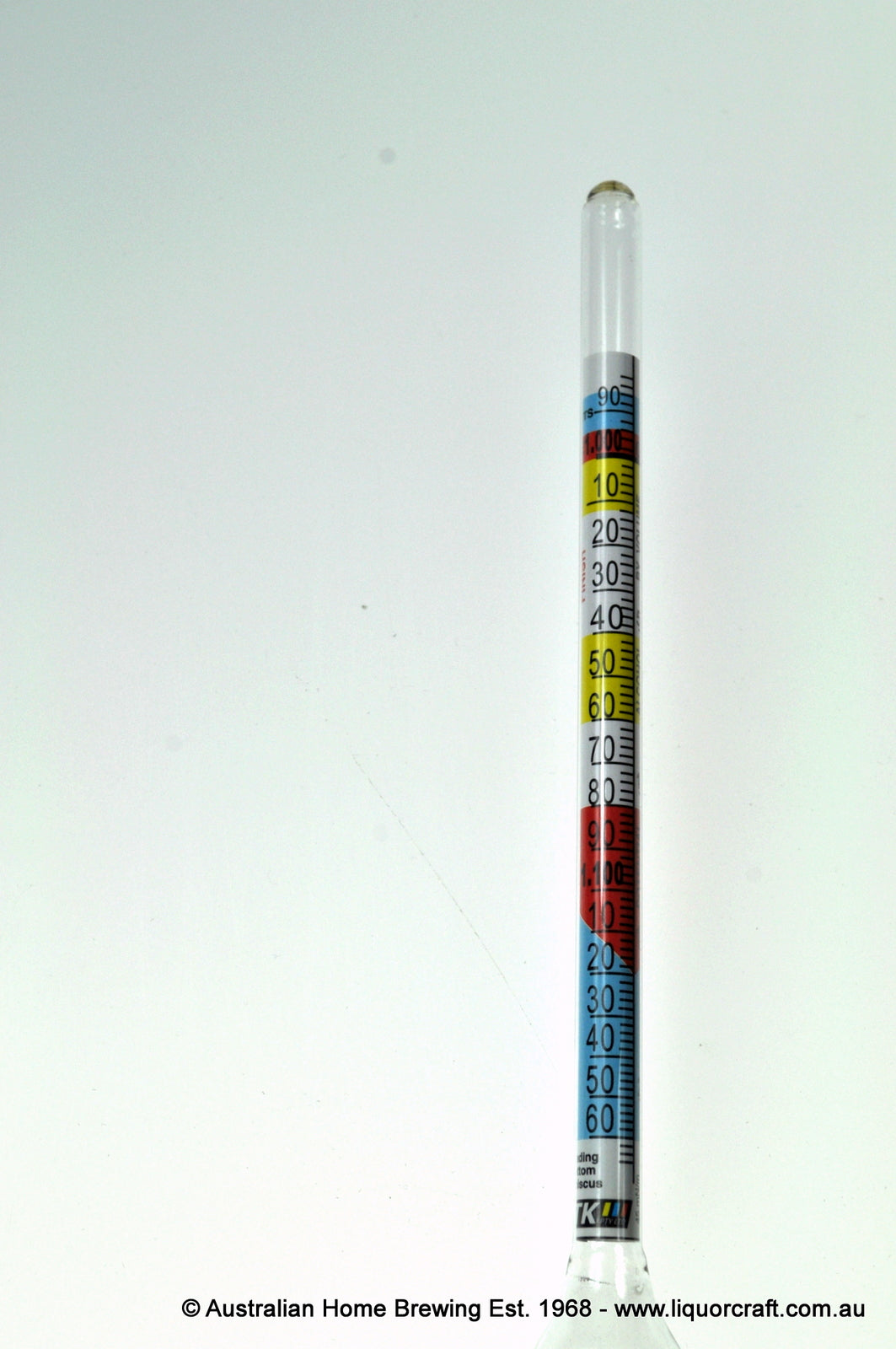
A hydrometer measures the density of your brew against the density of water. Sugar makes the liquid denser, so before fermentation the hydrometer floats high. As yeast turns that sugar into alcohol the liquid thins out and the hydrometer sinks. Take a reading at the start and a reading at the end, and the gap between them is your alcohol. It is the one instrument that takes the guesswork out of "is it done yet".
What is in the range
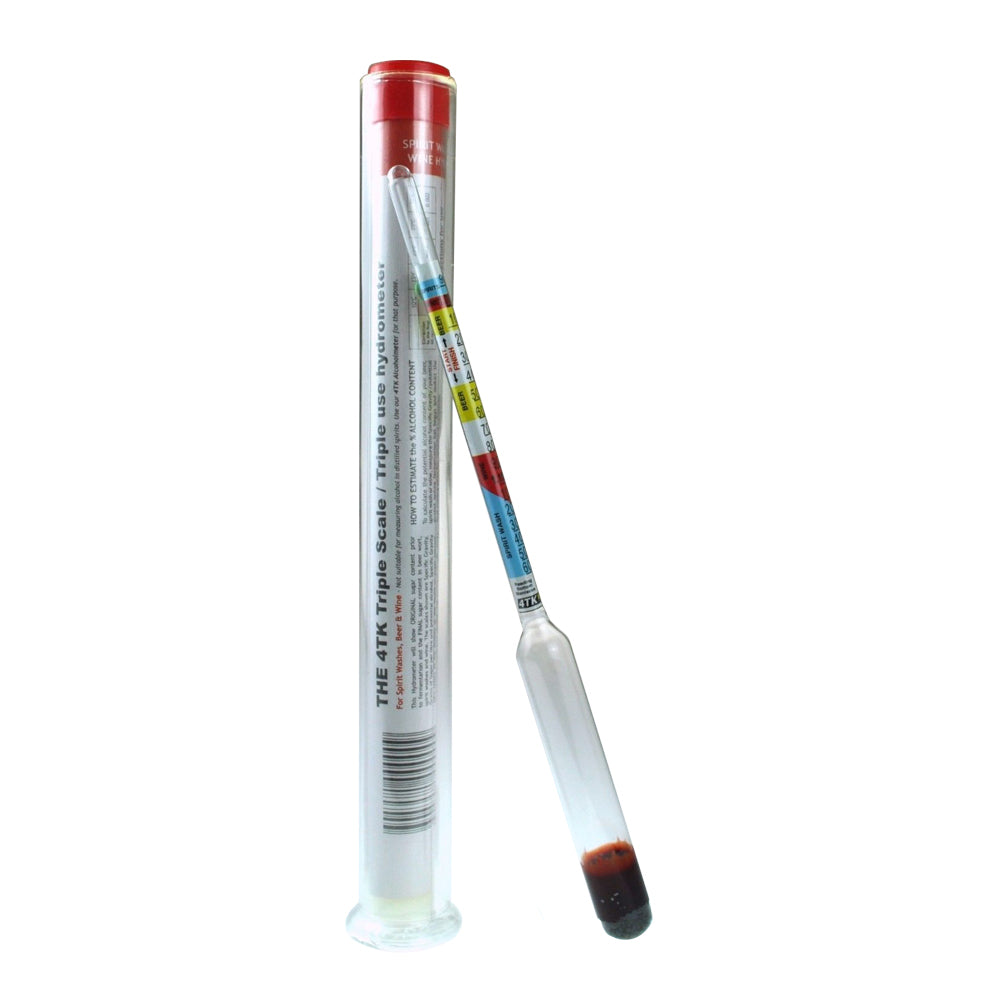
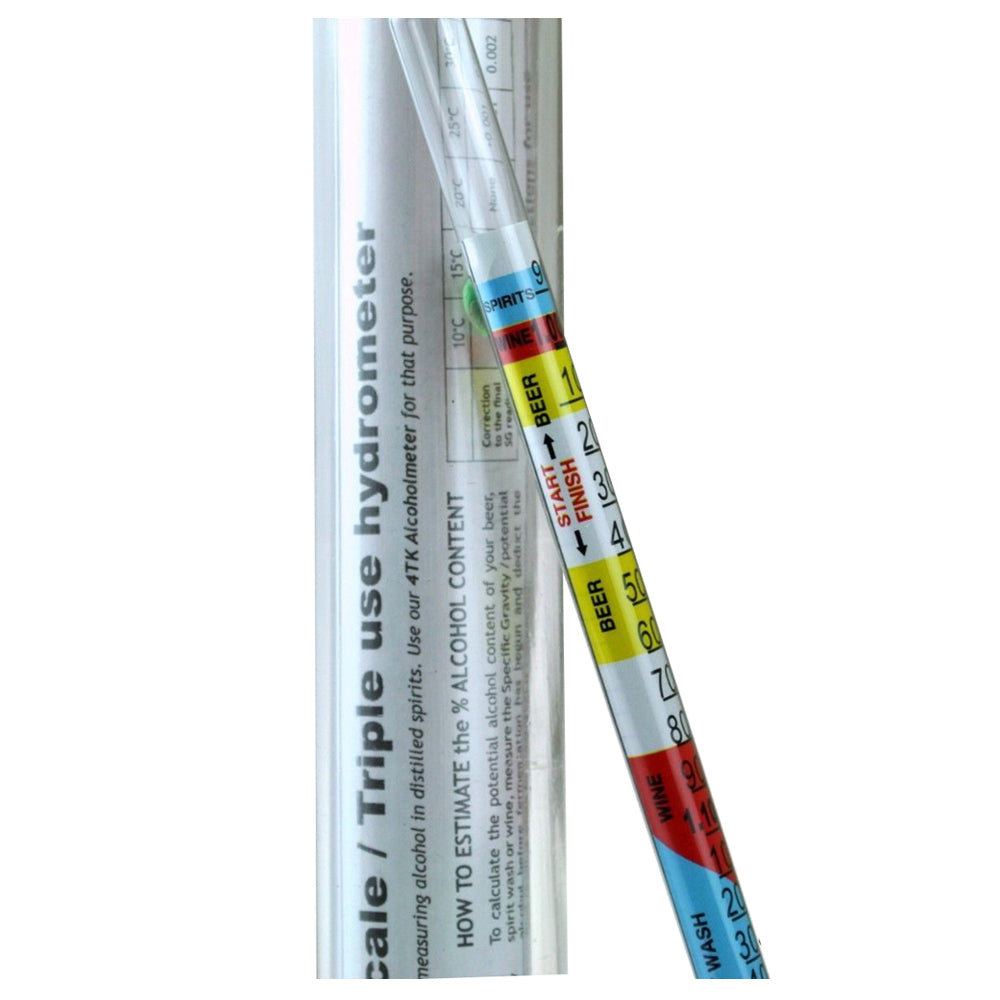
- Hydrometer 3 scale, spirit / beer / wine. The standard triple scale hydrometer. One instrument reads specific gravity for beer, potential alcohol for wine and strength for spirits, so it covers everything you are likely to make.
- Hydrometer test flask. A tall plastic tube sized so the hydrometer floats freely without touching the bottom. You draw a sample into this rather than dropping the hydrometer into the fermenter.
- Hydrometer and test flask together. Both in one box. If you are starting out, this is the one to get.
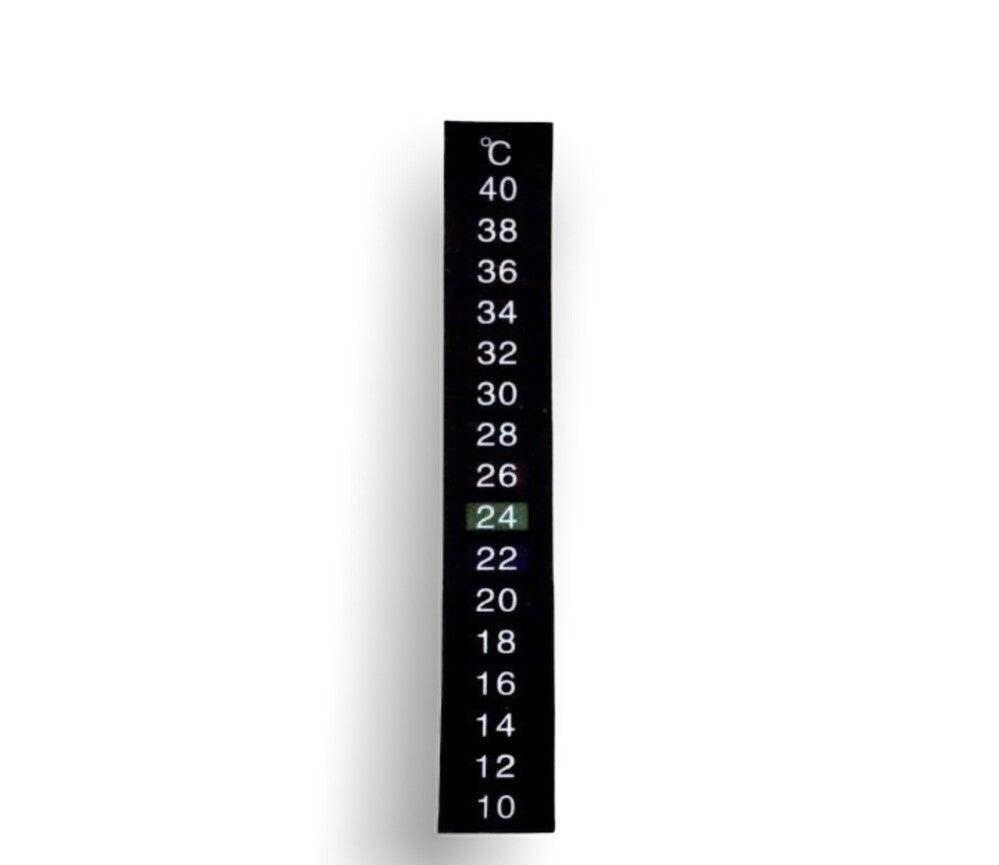
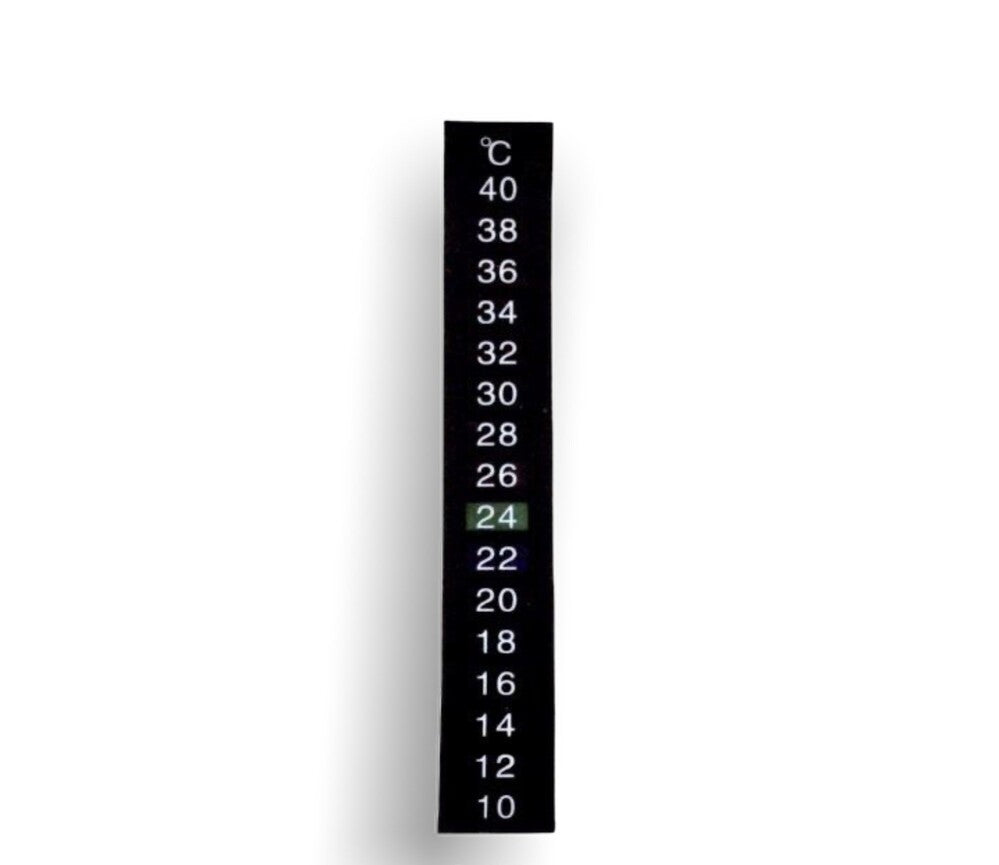
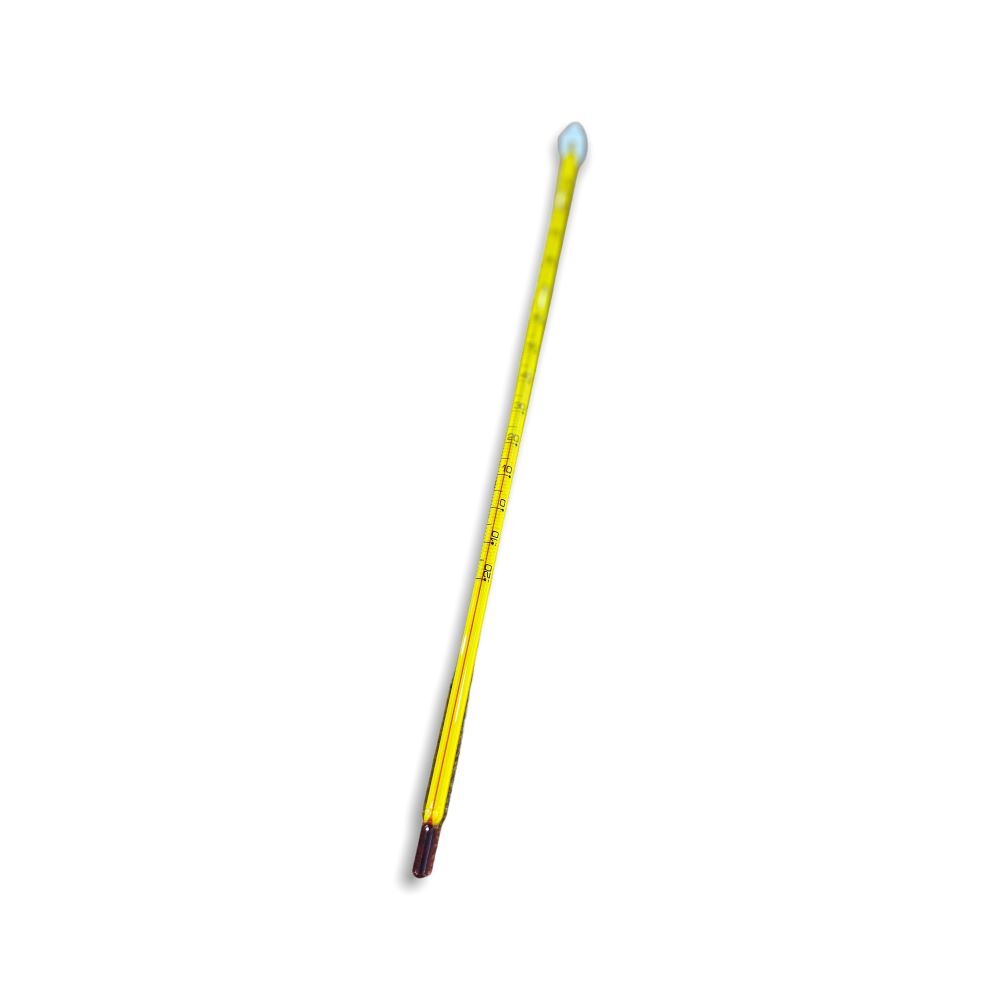
- Thermometers. Readings are most accurate at around 15 degrees, so you need to know the temperature of the sample. The stick-on digital thermometer lives on the side of the fermenter. The glass thermometer reads to 110 degrees and goes into the wort or the wash.
Taking a reading
Draw a sample into the test flask, lower the hydrometer in, and give it a spin so it isn't sticking to the side. Read the scale where the surface of the liquid meets the stem. Do that before the yeast goes in for your original gravity, and again when you think fermentation has finished for your final gravity. A standard kit beer such as Aussie Pub Draught starts around 1.040 and finishes around 1.010.
The brew is finished when you get the same reading 24 to 48 hours apart. A single reading tells you where it is, not whether it has stopped. Our guide on how to use a hydrometer walks through it step by step and shows how to turn your two readings into an alcohol percentage.
Things that throw the reading out
- A warm sample. Hot wort reads lower than it really is. Let the sample cool towards 15 degrees, or note the temperature and correct for it.
- Bubbles on the stem. Carbon dioxide clinging to the glass lifts the hydrometer. That is what the spin is for.
- Reading the wrong scale. The triple scale hydrometer has three columns of numbers. Beer uses specific gravity. Check you are on it before you write anything down.
- Tipping the sample back in. Don't. Anything that has been out of the fermenter stays out.
Everything ships Australia-wide from our Melbourne store. We have supplied Australian home brewers since 1968 and we still take a hydrometer reading on every batch we brew, so if you are not sure what your numbers mean, send them to us.
Buying from us
Quick answers
Shipping and orders apply to everything in this collection. See the FAQ page for more topics.
Monday to Friday, 9-4pm AEST.We normally get back to you within a day—often sooner.
How do I know my brew has finished fermenting?
Take a hydrometer reading, then take another 24 to 48 hours later. If the two readings are the same, fermentation has stopped. A single reading only tells you where the brew is, not whether it has finished.
What temperature should the sample be when I read it?
Hydrometer readings are most accurate at around 15 degrees. A warm sample reads lower than the true gravity, so let it cool first or note the temperature and correct for it.
Do I need the test flask?
You need something tall enough for the hydrometer to float without touching the bottom. The test flask is sized for exactly that, and drawing a sample into it means you are not dipping the hydrometer into the fermenter.
Can I use the same hydrometer for spirits?
Yes. The triple scale hydrometer has a spirit scale alongside the beer and wine scales. For reading strength continuously as spirit comes off a still, an alcometer in a parrot head is the dedicated tool.
How long will my order take to arrive?
Metro: usually a few business days. Regional: often a bit longer. You get tracking when it leaves the warehouse.
What is your returns policy?
If something isn't right, tell us. We'll sort returns or replacements under Australian Consumer Law and our written policy. No drama.
Monday to Friday, 9-4pm AEST.We normally get back to you within a day—often sooner.