The best Home Beer Brewing Kits, that make better beer in less time .
Date Posted:6 August 2025

Good beer shouldn’t swallow your whole weekend or leave the kitchen looking like a science lab, and the right kit helps you brew faster while keeping the flavour you care about. You get a simpler brew day, less cleanup, and repeatable results that actually taste like the style on the label.
Here, we focus on kits that shorten the process without cutting corners, from quick extract setups to compact all-in-one systems that handle heating and control in one place. You’ll see what speeds things up, what keeps your beer consistent, and how Australian Home Brewing backs you with recipes, gear, and real help when you need it.
Start with your brewing goals, not just gear
It’s easy to chase shiny equipment, but a bigger price tag won’t turn you into a better brewer. What actually improves your beer is knowing the styles you enjoy, using simple, repeatable steps, and giving each batch the time it needs.
Begin with the flavours you like to drink, then build skills around them. As your technique improves, add gear that solves real problems in your process instead of collecting gadgets you won’t use.
What every great Homebrew Kit should include
A good starter kit covers the basics so you can ferment cleanly, track progress, and package your beer without drama. Look for these pieces:
- 30 L fermenter: Creates room for a full batch with headspace during fermentation.
- Airlock and stopper: Lets CO₂ escape while keeping outside air out.
- Hydrometer: Checks the gravity so you know when fermentation is done.
- Bottle capper and caps: Seals your bottles for safe carbonation.
- Brewing spoon or paddle: Mixes wort and priming sugar without introducing grime.
Most starter kits throw in ingredients for one generic style. That’s fine for your first run, but pick a recipe that matches what you like to drink if you want a better result.
The modular brewing philosophy: grow your setup
Treat your first kit like a launchpad, not a lifetime build. Start with just enough gear to brew a style you enjoy, learn the fermentation steps, and bottle your first batch without stress.
After a couple of brews, add only what solves real problems: a heating pad to hold temp in winter, a larger fermenter to scale up, and specific yeast or hops to try new styles. This steady, modular approach keeps costs down and the hobby fun.
Simple techniques that outperform fancy gadgets
Before dropping cash on new gear, try these low-cost fixes that make a real difference during fermentation:
- Evaporative cooling: Wrap the fermenter in a damp towel and point a fan at it to pull temps down a few degrees.
- Ice packs in a cooler box: Place the fermenter inside a large cooler with ice packs and swap them as needed for steady control.
- Choose yeast for your climate: Pick strains that ferment well at your room temperature so you avoid off-flavours without special equipment.
Good fermentation choices beat expensive add-ons. Nail temperature and yeast selection, and your beer will taste cleaner and more consistent.
Top homebrew kits worth considering
Price isn’t the shortcut to better beer. The right kit helps you brew the styles you actually like, fits the space you have, matches your current skills, and leaves room to upgrade later.
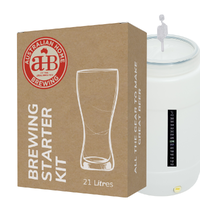
If you want a straightforward start, the AHB Starter Beer Making Kit is a safe bet. You get sturdy gear, clear instructions, and recipe choices like Aussie Pub Draught, Cascade Single Hop Pale Ale, or Mosaic American Pale Ale, plus easy add-ons such as a bench capper when you’re ready.
FAQs: Best home brewing kits answered
What’s the best home beer brewing kit for beginners?
The AHB Starter Kit is a great all-around option. It includes fermentation gear and your first batch of ingredients.
Can I make lager at home without a fridge?
Yes, you can use Kveik yeast, which ferments cleanly at warm temperatures, or brew lagers seasonally in cooler months.
What’s missing from most brewing kits?
Most kits skip real temperature control and limit you to one generic recipe. Add a simple temp solution (heat belt or cooler with ice packs) and choose your own yeast and hops to match the style you want.
Is it hard to upgrade later?
Nope. Brewing is modular. Start simple, then add better gear as your passion grows.
Is sanitation really that important?
Yes. Light sanitising (like brew sanitiser) is crucial, but don’t stress—clean, not sterile, is enough.
Final thoughts: choose what keeps you brewing
The best brewing kit is the one you’ll use often and enjoy. You don’t need a lab; you need a simple start that feels fun and gets you to your first tasty bottles.
Pick a kit that matches what you like to drink, suits your space and temperature, and comes with clear instructions. After a couple of batches, you’ll know what to add next, like a heat belt, bigger fermenter, or new yeast and hops. Go brew something you love.